Ashtavinayak Yatra by Road 2026 — 2-Day Route, Real Costs & Crowd Truth

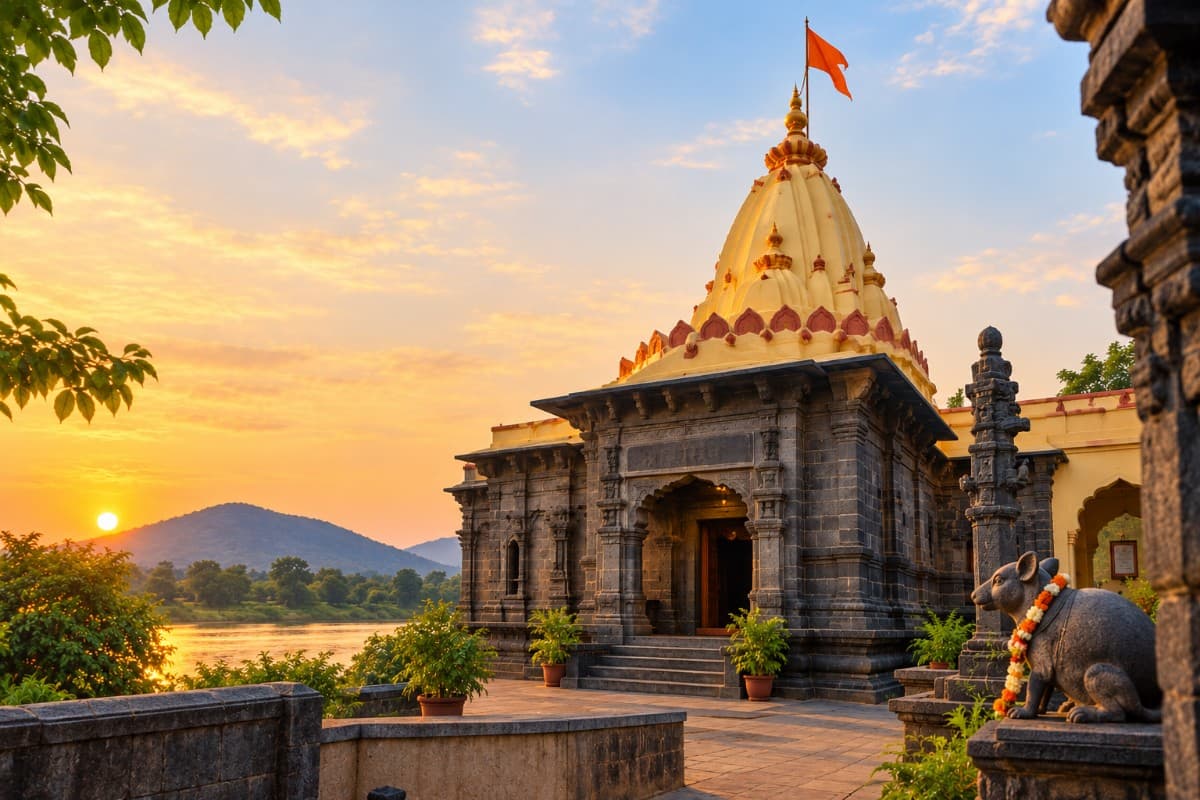
Ashtavinayak Yatra by Road 2026 — My 2-Day Route from Pune (Real Costs + What Nobody Warns You About)
By a local from Pune who completed the Ashtavinayak circuit in September 2025 — and made exactly three avoidable mistakes.
I will be straight with you about the Ashtavinayak Yatra: it is one of the most spiritually powerful and logistically demanding road trips in Maharashtra. Eight temples, spread across four districts, covering approximately 400–450 km of driving depending on your starting point. You can do it in 2 days from Pune, and many people do it in 3 from Mumbai. What most guides do not tell you is which temples have brutal queues during the Ganesh Chaturthi season (September), which ones you can do in 20 minutes, and how much the whole thing actually costs beyond the "entry is free" line every article repeats.
I did the complete Ashtavinayak Yatra in September 2025 — three friends and me in a Swift Dzire. Total cost for the 4 of us was Rs 6,800, which includes fuel, toll, prasad at all 8 temples, one overnight stay, and all meals. That works out to Rs 1,700 per person. That is the real number. This is how we did it.
If you are also planning a broader Maharashtra pilgrimage trip, our Lonavala 2-day itinerary covers the Karla Caves Buddhist heritage that pairs well with the western circuit of the Yatra.
🪔 Ganesh Chaturthi Season Warning — September 2026
Ganesh Chaturthi 2026 falls on September 15. Anant Chaturdashi (visarjan) is September 25.
If you are planning the Yatra between September 13–27, read this first.
- Morgaon (Moreshwar) and Theur (Chintamani) will have queues of 3–5 hours on September 15 and the weekend closest to Chaturthi. These two are closest to Pune and get the highest footfall.
- Ranjangaon and Lenyadri are significantly less crowded even during the festival because of their distance and the Lenyadri hill climb requirement.
- Best window to avoid the surge: September 16 (Tuesday after Chaturthi) through September 19. The pilgrimage traffic drops sharply after the first day of the festival.
- Siddhatek remains consistently moderate in crowd levels even during the festival — the route through Daund is less known to casual pilgrims.
The 8 Ashtavinayak Temples — Quick Reference
| Temple | Location | Distance from Pune | Avg. Queue (Normal) | Queue During Chaturthi |
|---|---|---|---|---|
| Moreshwar | Morgaon | 65 km | 30–60 min | 3–5 hours |
| Chintamani | Theur | 25 km | 20–45 min | 2–4 hours |
| Mahaganapati | Ranjangaon | 50 km | 15–30 min | 45–90 min |
| Girijatmaj | Lenyadri | 90 km | 20 min (after climb) | 45 min |
| Vigneshwara | Ozar | 85 km | 15–30 min | 60 min |
| Ballaleshwar | Pali | 110 km | 20–45 min | 90–120 min |
| Varadvinayak | Mahad | 83 km | 15–30 min | 60–90 min |
| Siddhivinayak | Siddhatek | 200 km | 30–60 min | 60–90 min |
The 2-Day Route (Starting from Pune)
The sequence matters more than most guides acknowledge. The traditional anti-clockwise circuit starting from Morgaon is considered the "shastriya" (scriptural) route. However, for practical driving — especially if you want to avoid doubling back — this modified sequence works well.
Day 1 — The Southern Circuit (Theur → Morgaon → Mahad → Pali → Siddhatek)
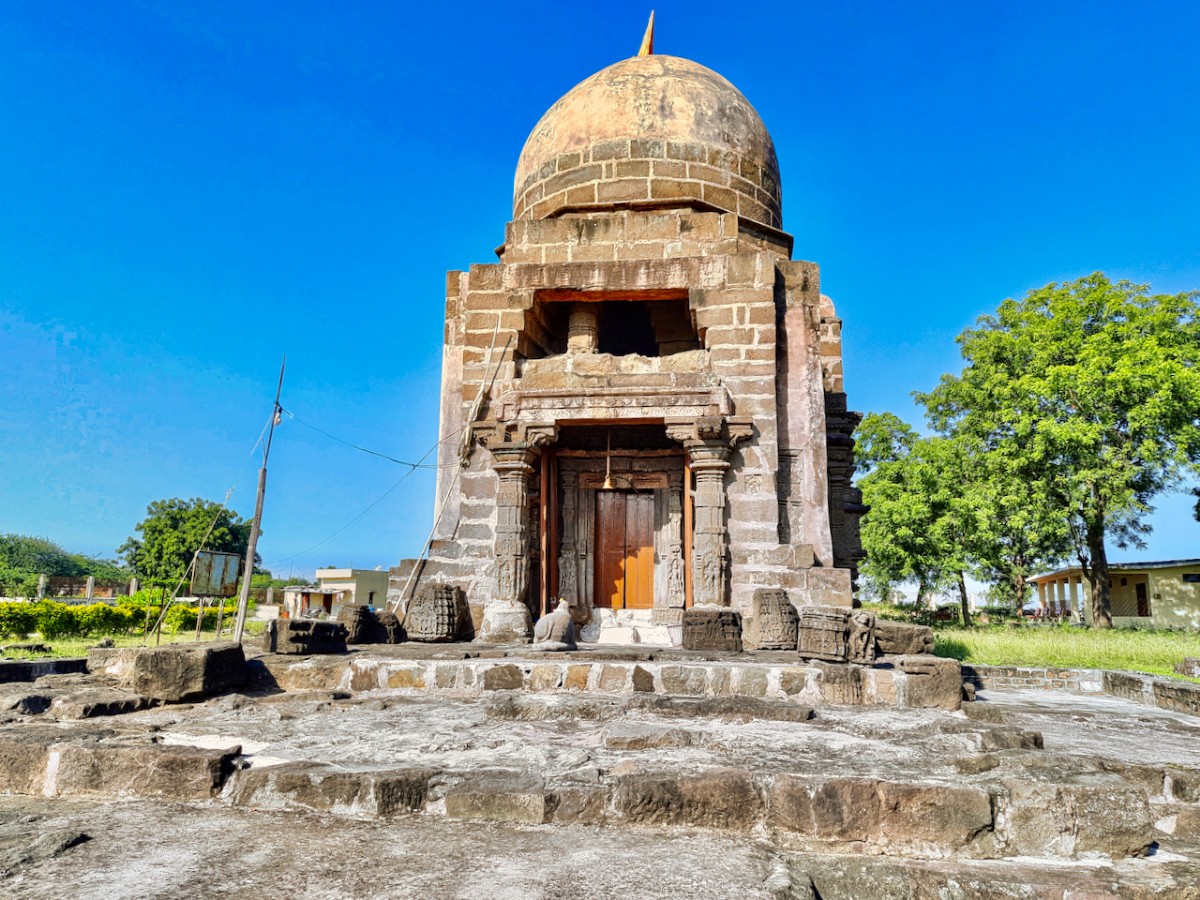
Start: Pune → Theur (Chintamani) — 25 km, 45 minutes Leave Pune by 5:30 AM. Theur is the closest temple — the Chintamani temple is on the Pune–Solapur road, and on weekday mornings, you can complete darshan in 20–30 minutes. The temple opens by 5 AM. This early visit means you beat the Pune day-trippers entirely.
Theur → Morgaon (Moreshwar) — 42 km, 1 hour Morgaon is the anchor of the entire Yatra — Moreshwar is considered the "parent" temple of the Ashtavinayak. Plan 1.5–2 hours here including queue, darshan, and a short breakfast at the dhabas right outside the temple entrance. The dal-vada and misal at the stalls near the gate are genuinely good, and cost Rs 60–80 per plate.
Morgaon → Mahad (Varadvinayak) — 80 km, 1.5 hours The Mahad temple is on the Pune–Mumbai Expressway side, making this a logical mid-morning stop. Queue is usually manageable. The temple complex has clean facilities.
Mahad → Pali (Ballaleshwar) — 25 km, 45 minutes Pali is one of my favourite temples on the circuit — the town itself is quiet, the prasad (modak) here is excellent, and the stone architecture of the Ballaleshwar temple is beautiful. Allow 30–45 minutes.
Pali → Siddhatek (Siddhivinayak) — 80 km, 1.5 hours via Daund Siddhatek is the most remote temple on the circuit and the only one where Ganesh faces north (all others face east). It sits on a small hill on the banks of the Bhima river. The evening light on the river from this temple is extraordinary. Stay overnight in Daund or Ahmednagar (20–30 km from Siddhatek) — budget hotels run Rs 600–1,200 per room.
Day 1 total: ~252 km | Time including darshan and meals: 12–13 hours
Day 2 — The Northern Circuit (Ranjangaon → Ozar → Lenyadri)
Start: Siddhatek → Ranjangaon (Mahaganapati) — 80 km, 1.5 hours Ranjangaon has the largest temple complex of the 8 — well-maintained, good parking, and the Mahaganapati idol is the most imposing you will see on this circuit. Morning darshan is quick.
Ranjangaon → Ozar (Vigneshwara) — 35 km, 45 minutes Ozar is a small, compact temple town in the Nashik district. The temple is near Junnar, and the surrounding area has an unhurried, non-touristy feel. Fastest darshan of the trip — 15 minutes on a normal day.
Ozar → Lenyadri (Girijatmaj) — 8 km, 15 minutes
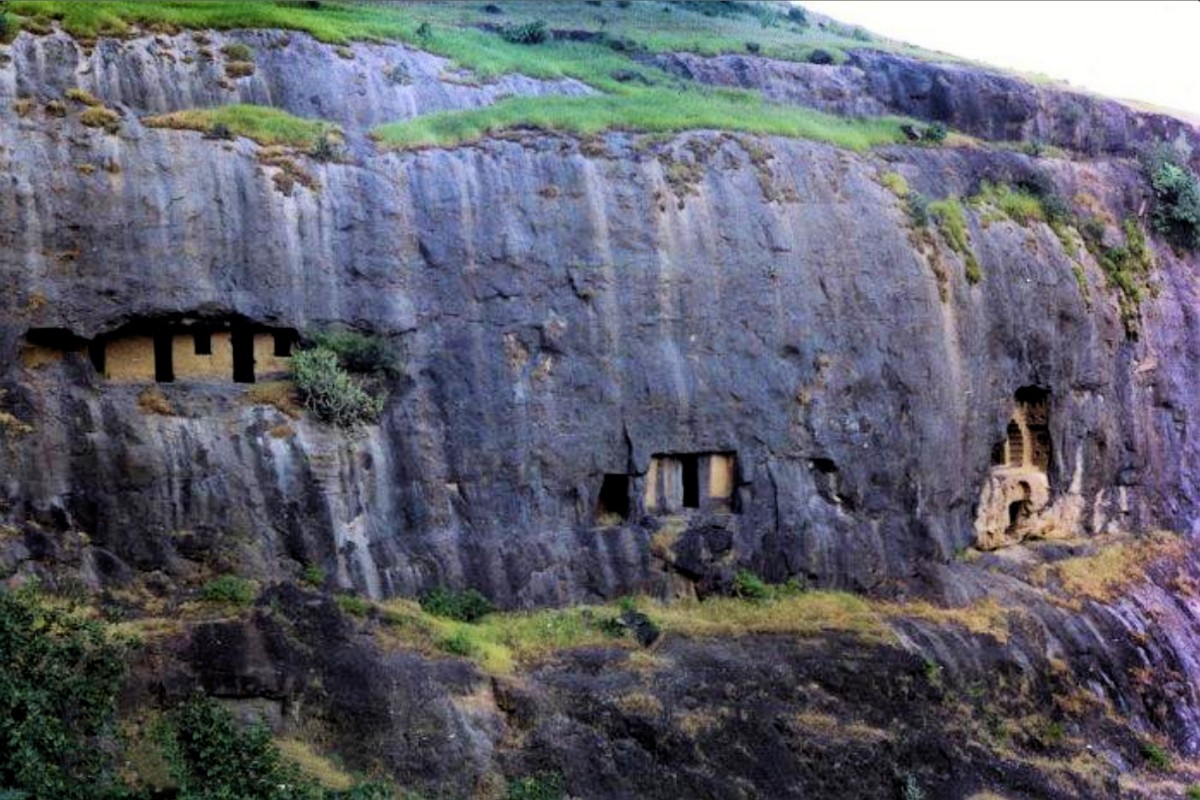
Lenyadri is the most physically demanding stop — this Ganesh temple is carved inside Buddhist cave 7 of the Lenyadri cave complex and sits 283 steps up a hill. The climb takes 20–25 minutes. It is completely worth it. The cave temple is serene in a way none of the other Ashtavinayak temples are — you are sitting inside a rock-cut cave that is over 2,000 years old. My friend Suresh sat there for 40 minutes and nobody bothered him.
Lenyadri → Pune — 90 km, 2 hours Return to Pune via Nashik Phata. You will be home by 3–4 PM comfortably.
Day 2 total: ~213 km | Time including darshan and meals: 8–9 hours
What the 2-Day Yatra Actually Costs (4 People, Self-Drive from Pune)
| Expense | Cost |
|---|---|
| Fuel (Pune circuit, ~465 km total, Swift Dzire) | Rs 2,200 – 2,600 |
| Tolls (expressway + state highway) | Rs 400 – 600 |
| Overnight stay (Daund/Ahmednagar, 1 room for 4) | Rs 800 – 1,200 |
| Meals (Day 1 + Day 2, dhabas near temples) | Rs 1,200 – 1,800 |
| Prasad (modak, ladoo at 8 temples) | Rs 400 – 600 |
| Miscellaneous (parking, shoe storage) | Rs 200 – 300 |
| Total for 4 people | Rs 5,200 – 7,100 |
| Per person | Rs 1,300 – 1,775 |
Prefer not to drive or deal with rural parking stress? You can book a verified guided Ashtavinayak Darshan Tour Package here, which includes sanitized AC cab transport, an experienced local driver familiar with all 8 temple bypass routes, and zero hassle with state highway tolls.
Extending Your Pilgrimage: Shirdi & Trimbakeshwar
Many families and devotees travelling from Mumbai, Pune, or out of state expand this 2-day Yatra into a full 3 or 4-day sacred circuit across Western Maharashtra:
- Shirdi Sai Baba (via Ahmednagar / Daund): On Day 1, your overnight halt at Ahmednagar puts you barely 85 km south of Shirdi. During Ganesh festival and Navratri weeks, the general darshan line at Shirdi can easily exceed 4 to 5 hours. If you are traveling with elderly parents or children, pre-booking a Shirdi Guaranteed VIP Darshan / Skip-the-Line Pass saves hours of exhausting standing.
- Trimbakeshwar Jyotirlinga (via Junnar & Nashik): Day 2 finishes in Junnar (Lenyadri/Ozar), which borders the Nashik district. Rather than heading straight back, continuing north along the Western Ghats takes you to Trimbakeshwar — one of the 12 holiest Jyotirlingas — along with Panchavati. If you want a comfortable, all-inclusive day trip without navigating steep ghat routes yourself, consider this Mumbai to Nashik Temples & Scenic Trails Guided Tour.
5 Things Nobody Tells You About the Ashtavinayak Yatra
1. The shoe storage queues are almost as long as the darshan queues. At Morgaon and Theur, you leave shoes outside. There are paid counters (Rs 10–20 per pair) but the queues to reclaim shoes after darshan can be 15–20 minutes on a busy day. We kept one person near the shoe counter while the others went in — saved us 20 minutes.
2. Lenyadri steps are not suitable for elderly visitors in the monsoon. The 283 steps are wide and manageable for most adults. But in September when they are wet and occasionally mossy, an elderly parent or grandparent will find sections genuinely slippery. If you are doing this with someone who has knee issues, Lenyadri is the one to skip and substitute with extra time at Ozar.
3. Most roadside "prasad shops" near the temples are overpriced. The modak at stalls 200m away from the temple gate costs half of what the ones right at the entrance charge. Rs 20–30 per modak is fair. Rs 50–60 is tourist pricing.
4. Siddhatek has no reliable ATM within 5 km. Carry cash before leaving for the Siddhatek leg on Day 1. The Daund town ATM is your last reliable option. I learned this the hard way when we ran out of cash near the temple and the nearest working ATM took 45 minutes to reach.
5. The return route from Lenyadri to Pune is shorter via Manchar — not the route Google suggests. Google Maps often routes you via Nashik Phata highway, which is 15 km longer. The Manchar–Chakan–Pune road cuts through and saves 30–40 minutes. Download offline maps before you lose signal in the hills near Junnar.
Internal Links Worth Reading
If you are making a full Maharashtra pilgrimage or festival trip around Ganesh Chaturthi:
- Bhandardara Monsoon Camping Guide 2026: Bhandardara is 45 km from Ozar temple — pair the northern circuit Day 2 with a lakeside camp overnight for a brilliant 3-day Maharashtra trip.
- Hidden Waterfalls Near Mumbai 2026: The Mahad leg of Day 1 passes very close to the Devkund Waterfall trail. If you have an extra half day, this is a natural add-on.
- Best Hill Stations in Uttarakhand: If Ganesh Chaturthi travel to Maharashtra feels too crowded and you are considering a longer trip north instead.
Final Thought
The Ashtavinayak Yatra is not a scenic road trip. The towns are functional, the roads are a mix of great and very rough, and on festival weekends the queues will test your patience. But the 8 temples collectively are unlike anything else in Maharashtra — each one has a distinct character, a specific Ganesh legend tied to it, and a local devotion that feels completely unperformed. Lenyadri alone — sitting inside a 2,000-year-old Buddhist cave with a Ganesh idol installed by a later tradition — is worth the entire 2-day drive.
Go on a weekday. Carry cash. Leave Pune by 5:30 AM on Day 1.
FAQ — Ashtavinayak Yatra 2026
Can the Ashtavinayak Yatra be done in one day? Technically possible from Pune if you skip meals and rush, covering approximately 450 km. Not recommended. You will be exhausted, you will miss Siddhatek (the most remote), and the whole thing feels like a driving exercise rather than a pilgrimage. Two days is the minimum that makes the trip meaningful.
What is the best starting point — Mumbai or Pune? Pune is significantly better. The Theur–Morgaon–Pali–Mahad cluster is close to Pune, making the first half of the Yatra efficient. From Mumbai, add 100–150 km of extra driving. If you are based in Mumbai, hiring a car with driver rather than self-driving makes more sense.
Is a guide necessary for the Ashtavinayak Yatra? The temples are well-signed and the route is manageable without a guide. However, a local guide helps with queue shortcuts, VIP darshan access at certain temples, and the best local food spots. If you are doing the Yatra as a first-timer, a guided package removes all planning stress.
What is the dress code at Ashtavinayak temples? Traditional modesty is expected — cover shoulders and knees. Some temples (Morgaon, Siddhatek) ask men to remove shirts and offer a dhoti-style wrap at the entrance. Keep a dupatta or stole in the car for anyone who needs it.
Which Ashtavinayak temple should I visit if I only have time for one from Pune? Theur (Chintamani) is the closest at 25 km and has a beautiful, historically significant temple complex. Morgaon (Moreshwar) is the most important spiritually and worth the extra drive. If you are a complete first-timer, go to Morgaon.