Kedarnath 2026: The Brutal Truth About Helicopter Slots & Trekking

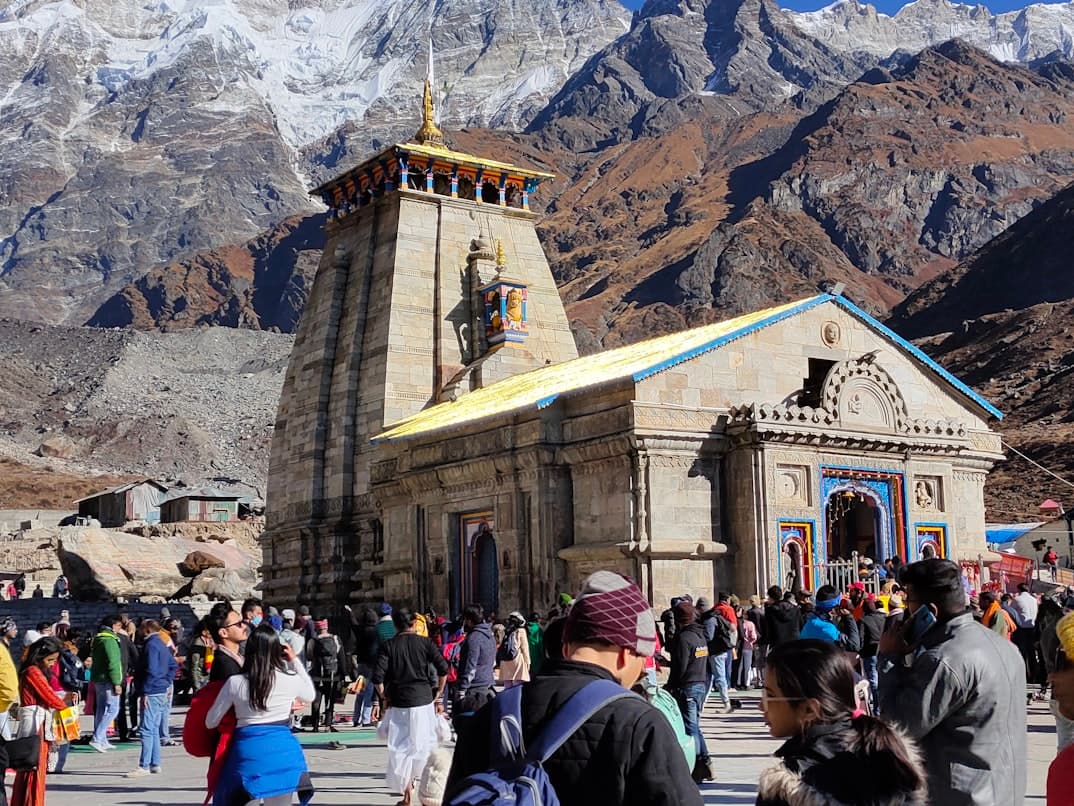
🌧️ August 2026 Monsoon Warning — Read Before Traveling
Updated second week of August 2026.
The Kedarnath Yatra is currently navigating its most disruptive month. August historically brings the heaviest rainfall to the Mandakini valley, and this year is no different. If you have bookings for August 2026, here is exactly what you are facing on the ground:
- Helicopter Operations: Flights from Phata, Sirsi, and Guptkashi are currently operating on a day-to-day basis. Expect frequent cancellations due to low visibility and dense fog. If your flight is cancelled, operators will refund the ticket, but they will not automatically accommodate you the next day. You will lose your slot.
- The 16km Trek (Gaurikund to Temple): The path is open but highly risky. The sections near Rambara and Lincholi are experiencing frequent minor landslides and shooting stones. The Mandakini river is flowing at danger marks.
- Pony & Palki Services: Operating at reduced capacity. The trail is extremely slippery, making pony rides dangerous.
- Accommodation: Rooms at the Kedarnath base camp (GMVN tents and private huts) are freezing cold and damp. Heating is limited.
Our Official Recommendation: If you haven't booked yet, do not plan a trip for August. Push your yatra to the post-monsoon window (late September to October). The skies will be much clearer, the valley will be lush green, and helicopter flights will operate with far greater reliability.
The Brutal Truth: What Most Kedarnath Guides Won't Tell You
The Kedarnath travel guide most pilgrims read before booking is missing the details that actually matter — helicopter slots that sell out 90 days in advance, a registration process that blocks entry without a QR code, and a monsoon window that grounds flights for days at a time. Planning Kedarnath Yatra 2026 without this information means arriving underprepared at 3,583 metres with no accommodation, no darshan slot, and no way back down. This guide covers the full picture: how to reach Gaurikund from Delhi or Haridwar, the 16 km trek with waypoint distances, helicopter booking with real costs and named operators, Char Dham registration steps, a 3–4 day budget breakdown, and what each month of the season actually looks like on the ground.
Where is Kedarnath Located?
Kedarnath is situated in the Garhwal Himalayas of Uttarakhand, within the Kedarnath Wildlife Sanctuary. The nearest town with regular road connectivity is Gaurikund (1,982 m), which serves as the base camp and the starting point of the trek. The nearest city is Rudraprayag, approximately 75 km from Gaurikund by road. Sonprayag, 5 km before Gaurikund, is where private vehicles are stopped and shared jeeps or government buses operate to Gaurikund.
Before starting your journey, be sure to read our detailed Kedarnath Temple guide for essential facts and history.
How to Reach Kedarnath
By Air
The nearest airport is Jolly Grant Airport, Dehradun, which is approximately 240 km from Gaurikund. Flights from Delhi take around 45 minutes. From the airport, you can hire a taxi directly to Gaurikund (cost: Rs 5,000–7,000 one way) or take a bus to Rishikesh and continue by road. Helicopter services to Kedarnath also depart from Phata, Sirsi, Guptkashi, and Agustmuni helipad pads — all reachable from Dehradun or Haridwar.
By Train
The nearest major railway stations are Haridwar (210 km from Gaurikund) and Rishikesh (216 km). Both are well connected to Delhi, Mumbai, Lucknow, and other major cities. From Haridwar or Rishikesh, shared taxis and GMOU buses run regularly to Sonprayag and Gaurikund. The journey from Haridwar to Gaurikund takes approximately 8–10 hours by road, depending on traffic and road conditions.
By Road
From Delhi: The most common route is Delhi – Haridwar – Rishikesh – Devprayag – Rudraprayag – Tilwara – Augustmuni – Kund – Guptkashi – Sonprayag – Gaurikund. Total distance: approximately 460 km, taking 12–14 hours without stops.
From Haridwar: Haridwar to Gaurikund is approximately 210 km and takes 8–10 hours. The road passes through Devprayag (confluence of Alaknanda and Bhagirathi), Rudraprayag (confluence of Alaknanda and Mandakini), and Guptkashi.
GMOU buses from Rishikesh ISBT to Sonprayag run daily during the Yatra season. Shared taxis from Rishikesh to Sonprayag cost Rs 400–500 per seat.
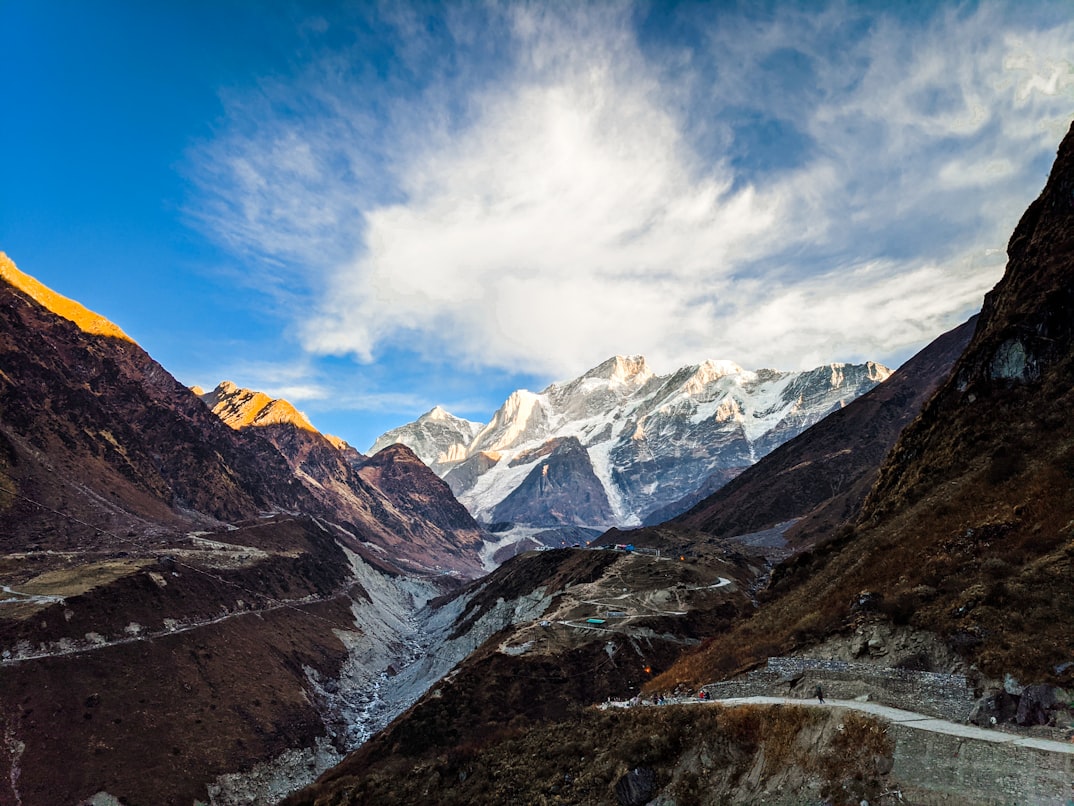
Gaurikund to Kedarnath Trek Details
Distance
The trek from Gaurikund to Kedarnath temple is 16 km one way, with a total elevation gain of approximately 1,600 metres (from 1,982 m to 3,583 m).
Difficulty Level
The trek is classified as moderate to difficult. The first 5 km from Gaurikund to Jungle Chatti and then to Bheembali is relatively straightforward. From Linchauli (12 km mark) onwards, the gradient increases sharply. The stretch from Rudra Point to Kedarnath covers rocky, exposed terrain and is the most demanding section. First-time trekkers without any prior experience in high-altitude walking will find this challenging.
Key waypoints on the trail:
- Gaurikund (0 km / 1,982 m) — start point, hot springs, basic facilities
- Jungle Chatti (4 km) — food stalls, rest point
- Bheembali (6 km) — GMVN rest house, tea stalls
- Linchauli (8 km) — helipad, medical post
- Rudra Point (14 km) — last major checkpoint before the temple
- Kedarnath (16 km / 3,583 m)
Time Required
A fit adult walking at a steady pace completes the trek in 6–8 hours. Slower walkers or those affected by altitude should account for 8–10 hours. Factor in time for rest stops, weather changes, and crowd bottlenecks, which are common during peak season (May–June). It is not advisable to attempt the full trek in a single stretch without prior fitness preparation.
Pony, palki (doli), and porter services are available from Gaurikund. Pony rates are approximately Rs 2,500–3,500 one way in 2025 season; expect a 10–15% increase in 2026. Palki (4-person carried doli) costs Rs 7,000–10,000 one way.
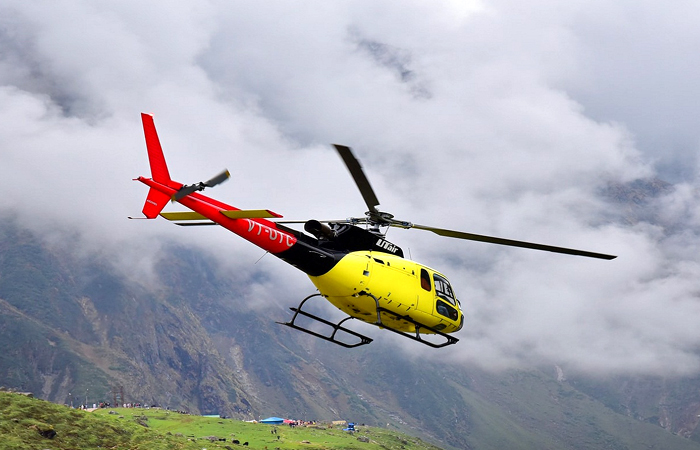
Helicopter Booking Guide
Where to Book
Official helicopter bookings for Kedarnath are managed through the IRCTC website (irctc.co.in) under the "Air Ticketing" or dedicated Kedarnath helicopter section. You can also book via the official Uttarakhand Tourism portal (uttarakhandtourism.gov.in). Private operators like Pawan Hans, Pinnacle Air, Arrow Aviation, Himalayan Heli Services, and Heritage Aviation also offer services, with bookings possible on their individual websites or aggregator platforms like Heliyatra.com.
Helipads from which services operate: Phata, Sirsi, Guptkashi (Sersi), and Agustmuni. Phata is the most popular and closest to Kedarnath.
Cost Range
Return helicopter fare from Phata to Kedarnath in 2025 was in the range of Rs 6,500–9,000 per person depending on operator. For 2026, expect fares between Rs 7,000–10,000 per person for a return trip. Single sector (one way) is approximately Rs 3,500–5,000. Chartered helicopter for 5–6 passengers costs Rs 40,000–60,000 per return flight.
If you are planning to cover more of the Char Dham, check out our comprehensive Badrinath Temple guide for booking and travel advice.
Tips
- Book at least 60–90 days in advance. Slots fill up within days of opening, especially for May and June.
- Carry government-issued photo ID. The name on the helicopter ticket must match the ID exactly.
- Carry your Char Dham Yatra registration slip — it is mandatory at check-in.
- Reach the helipad at least 90 minutes before scheduled departure. Weather cancellations are common; the reschedule process can take 24–48 hours.
- Do not book through WhatsApp groups or unknown agents — fraud cases involving fake helicopter bookings are reported every season.
For a relaxing break after your pilgrimage, explore our unbiased ranking of the best hill stations in Uttarakhand or check out our Lonavala travel guide if traveling towards Maharashtra.
Registration Process for 2026
Registration for Kedarnath Yatra 2026 is mandatory for all pilgrims. It is done through the official Uttarakhand Char Dham Devasthanam Board portal at registrationandtouristcare.uk.gov.in. The registration process opens a few weeks before the temple's opening date each year.
Steps to register:
- Visit the portal and create an account using your mobile number.
- Fill in personal details, upload a passport-sized photograph, and provide a government ID number (Aadhaar, PAN, Passport, or Voter ID).
- Select your preferred darshan date and time slot.
- Download the e-pass with QR code — this is checked at Sonprayag, Gaurikund, and Linchauli checkpoints.
Offline registration counters are also available at Rishikesh, Haridwar, Sonprayag, and Guptkashi for those without internet access.
There is no registration fee. Medical fitness certificates are no longer mandatory as of 2024, but pilgrims with heart conditions or respiratory issues are strongly advised to get a medical clearance.
Accommodation Options
Budget
Dormitory accommodation in Gaurikund is available at Rs 300–600 per bed. Basic private rooms with shared bathrooms can be found at Rs 800–1,500 per night. Linchauli and Kedarnath base have GMVN tents and huts available for Rs 500–1,200 per person per night.
Dharamshalas
Kedarnath has several dharamshalas managed by religious trusts. Notable ones include the Shankaracharya Math Dharamshala, Birla Dharamshala, and various akhara dharamshalas. Rates are nominal (Rs 200–500 per night) but availability is very limited, and priority is given to pilgrims arriving on foot. Booking through trusts directly in advance is necessary.
Hotels
Guptkashi (approximately 30 km from Sonprayag) has a better range of hotels, making it a practical base if you want to acclimatize before the trek. Decent hotels in Guptkashi cost Rs 1,500–4,000 per night. Sonprayag has limited hotel options in the Rs 1,000–2,500 range. Staying in Guptkashi the night before your trek start is recommended for a better rest.
Estimated Budget for 3–4 Days
The following is an approximate per-person cost for a 3–4 day trip from Haridwar/Rishikesh.
| Expense Head | Budget (Rs) | Mid-range (Rs) |
|---|---|---|
| Road transport (Haridwar–Gaurikund return) | 800–1,200 | 2,500–4,000 (private taxi) |
| Accommodation (3 nights) | 1,500–2,500 | 5,000–9,000 |
| Meals (3–4 days) | 1,200–1,800 | 2,500–4,000 |
| Trek (walking, self) | 0 | 2,500–3,500 (pony) |
| Miscellaneous (porter, offerings, medicines) | 500–1,000 | 1,000–2,000 |
| Total (per person) | Rs 4,000–6,500 | Rs 13,500–22,500 |
If travelling by helicopter (return), add Rs 7,000–10,000 per person to the above figures. Budget for an extra day in case of weather disruptions or flight cancellations.
Best Time to Visit
The Kedarnath temple typically opens on Akshaya Tritiya (late April or early May) and closes on Bhai Dooj (November). The best months to visit are:
- May and June (pre-monsoon): Best weather, clear skies, but highest crowd density. Book accommodation and helicopter well in advance.
- September and October (post-monsoon): Lighter crowds, clear views of the Himalayan range, pleasant temperatures during the day. October is excellent for the trek.
- Avoid July–August: Heavy monsoon rains make the trail slippery and dangerous. Landslides frequently block the Sonprayag–Gaurikund road, and helicopter services are suspended on many days.
Temperatures at Kedarnath range from 5–15°C during summer days and can drop to -5°C or below at night. Snow on the trail is possible even in May and October.
Pilgrims planning to extend their yatra can review our thorough Gangotri Temple guide to prepare better for the high-altitude conditions.
Safety Tips & Packing Checklist
Safety Tips
- Start the trek early — no later than 5:00–6:00 AM from Gaurikund. Afternoon cloud cover and rain are common.
- Do not attempt the trek if you are experiencing headache, nausea, or shortness of breath. Descend immediately if symptoms appear at altitude.
- Carry a rain poncho at all times. Weather changes rapidly.
- Do not carry large backpacks on the trail if using ponies or dolis — pack a light day bag.
- Mobile network (BSNL and Jio with varying coverage) works at Gaurikund, Linchauli, and Kedarnath, but is unreliable in between. Inform family members of your planned schedule.
- Follow the BKTC's daily trekker count limits — do not attempt the trek on days when routes are officially closed due to weather or maintenance.
Packing Checklist
- Government ID (Aadhaar or passport, original)
- Char Dham registration e-pass printout
- Warm layered clothing (thermal inner, fleece jacket, windproof outer)
- Rain poncho or waterproof jacket
- Trekking shoes with ankle support (non-negotiable — avoid sneakers or sandals)
- Woollen cap, gloves, and neck gaiter
- Sunglasses with UV protection
- Sunscreen SPF 50+
- Lip balm
- Water bottle (minimum 1.5 litres; refill at Bheembali and Linchauli)
- Energy snacks (dry fruits, glucose biscuits, energy bars)
- Basic medicines: Diamox (for altitude sickness, consult doctor before), paracetamol, antacid, ORS packets, bandages
- Trekking pole (renting available at Gaurikund for Rs 100–150/day)
- Power bank and phone charger
- Cash in small denominations (ATM at Gaurikund and Sonprayag; no ATM at Kedarnath)
Frequently Asked Questions
1. Is prior trekking experience required for the Gaurikund to Kedarnath trek?
Prior trekking experience is not mandatory, but basic physical fitness is essential. The 16 km trail with 1,600 metres of elevation gain is demanding for those who do not walk regularly. At least 4–6 weeks of daily walking (5–7 km) before your trip will significantly reduce fatigue and altitude-related discomfort. If you have a heart condition, blood pressure issues, or respiratory problems, get medical clearance before attempting the trek. Pony and palki alternatives are available if self-trekking is not feasible.
2. Can I visit Kedarnath without booking a helicopter in advance?
Yes, the majority of pilgrims reach Kedarnath by trekking, and there is no requirement to book a helicopter. However, if you prefer the helicopter option, walk-in availability at the helipad on the day is extremely uncertain during peak season (May–June). Cancellations do release spots, but waiting for them is unreliable. Off-season months like September and October have better walk-in availability. Book online in advance if you are travelling during peak season.
3. What is the daily darshan timing at Kedarnath temple?
The Kedarnath temple opens at 4:00 AM for the Mahabhishek puja, which requires a separate booking. General darshan begins at 7:00 AM and continues until 8:00 PM with a midday break from 1:00 PM to 3:00 PM for the Madhyan puja. The evening Sandhya Aarti takes place at 7:30 PM and is open to all. Arrive early to avoid long queues, especially during May and June when daily footfall can exceed 10,000 pilgrims.
4. Is mobile network and internet available at Kedarnath?
BSNL has the most reliable connectivity at Kedarnath base camp and at Gaurikund. Jio and Airtel signals are available at Gaurikund and Sonprayag but become patchy beyond Linchauli. At Kedarnath, expect intermittent BSNL 2G or 4G connectivity. Do not rely on mobile internet for navigation on the trail. Download offline maps of the region before departing. Inform your family of your itinerary so that gaps in communication are not alarming.
5. What happens if the trek route is closed due to bad weather or landslide?
The BKTC and district administration regularly suspend trekking operations in case of heavy rain, snowfall, or landslides. In such cases, pilgrims at Gaurikund are required to wait until the route is cleared, which can take 12–48 hours. Keep 1–2 buffer days in your itinerary for this reason. Check the Uttarakhand Disaster Management Authority (UDMA) updates and BKTC social media handles before departing from Gaurikund. Travel insurance that covers trip interruptions due to natural events is advisable for this trip.