9 Hidden Beaches in India You Won’t Find Easily — Secret Spots, Low Crowds & Real Beauty

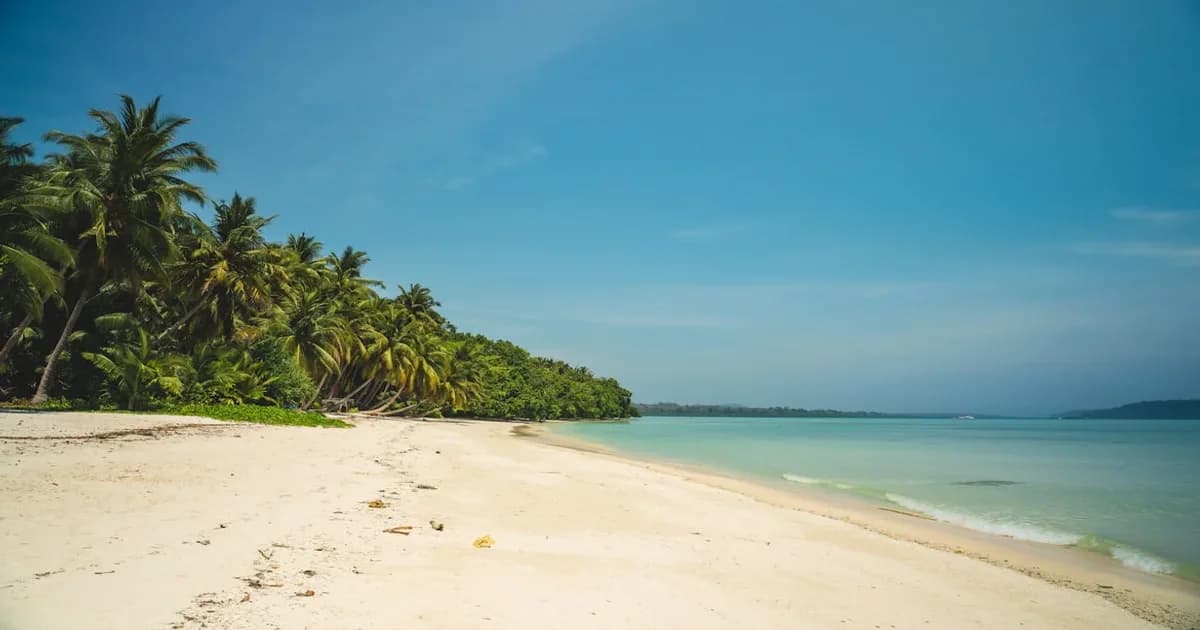
🌧️ August 2026 Monsoon Update — Which Hidden Shores Are Accessible Now?
Updated third week of August 2026.
Finding a "hidden" beach in peak monsoon comes with a completely different set of challenges than it does in December. Right now, the Indian coastline is battered by heavy rains and unpredictable tides. What makes these beaches "hidden" (remote access roads, lack of commercial infrastructure) also makes them difficult to reach during August.
If you are planning an escape this month, here is the immediate ground reality:
- Maharashtra & Karnataka (Guhagar, Gokarna half-moon): The coastal roads leading to these secluded spots are currently muddy and prone to severe waterlogging. Driving smaller hatchbacks down the cliff-side mud tracks to reach these beaches is not recommended this month.
- South Goa (Agonda, Kakolem): Visually, these beaches have never been greener. However, the secluded nature of Kakolem means if the sea suddenly turns rough, there is zero lifeguard or emergency infrastructure available right now.
- Andaman (Radhanagar alternatives): Inter-island ferries are facing major disruptions. Reaching the more offbeat beaches in the Andamans requires private boat charters, which are currently suspended due to safety protocols.
Our Official August 2026 Recommendation: Do not attempt to visit the truly remote, unpaved-road beaches on this list during August unless you have a high-clearance 4x4 vehicle. The smart move is to use this month to plan and pre-book your November stays at these hidden spots, securing the best beachfront huts before the post-monsoon rush discovers them.
Why These 10 Beaches Deliver the Quiet Baga Lost Years Ago?
Baga is beautiful in photographs and exhausting in person. If you have done the popular circuit and want something quieter, this guide covers 10 hidden and secluded beaches across India that most travel blogs have not caught up to yet. Each one is rated honestly for safety, accessibility, and couple-friendliness — with verified 2026 stay costs starting from ₹600 per night and practical notes on how to actually reach them. These are not just pretty names on a list. They are beaches where you can have a conversation without shouting over a DJ.
Top 10 Hidden Beaches in India &
Best Time To Visit Beaches In India
1. Agonda Beach, South Goa
To understand why it remains so peaceful and where to find the best turtle spotting areas, consult our highly detailed Agonda Beach guide.
Location: Canacona taluka, South Goa. 65 km from Margao railway station, 72 km from Dabolim Airport. 9 km north of Palolem.
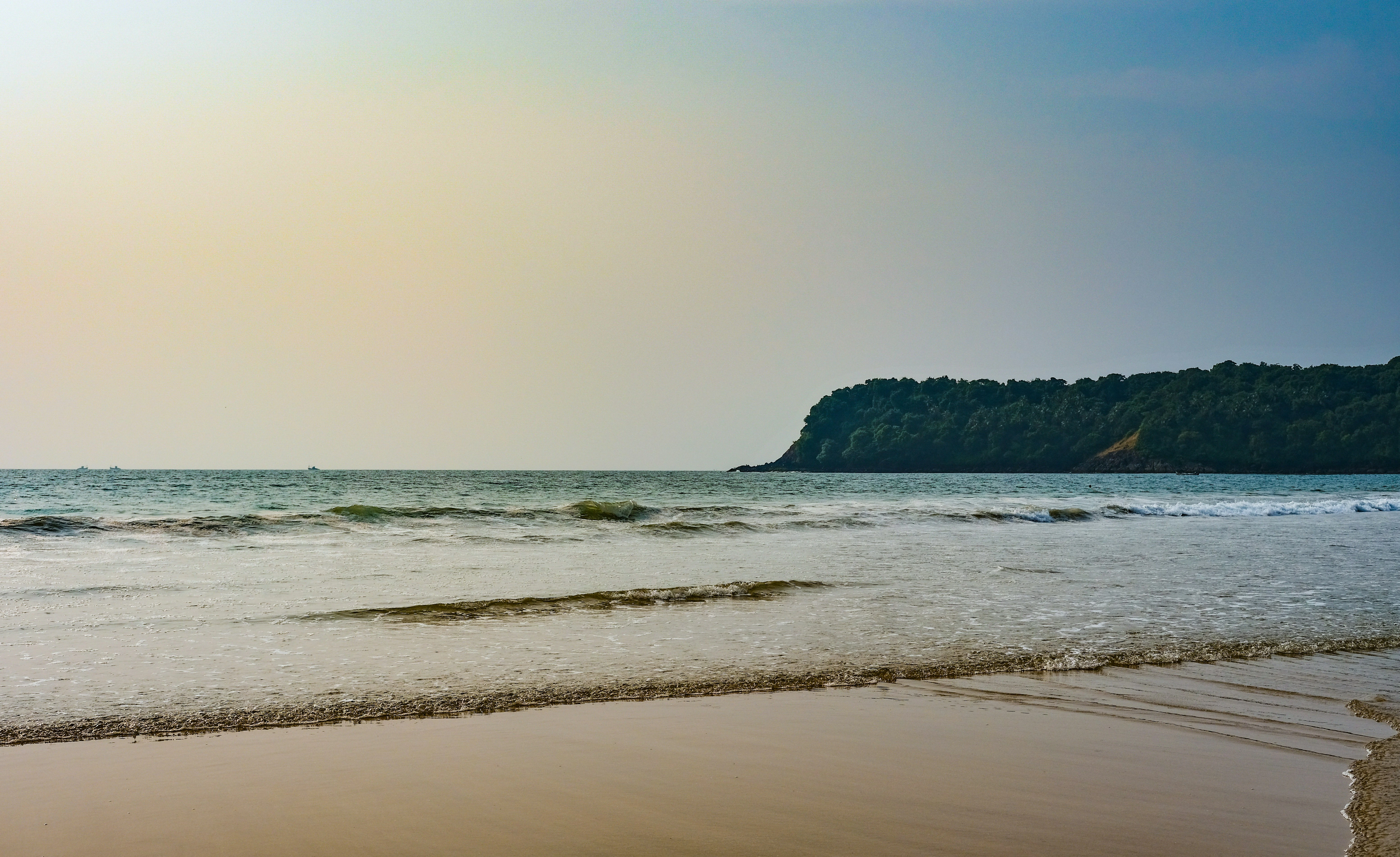
Agonda is a 3 km beach with no commercial infrastructure on the sand itself — no jet skis, no parasailing operators, no hawkers walking the waterline. The shacks and guesthouses are set back from the beach behind a line of casuarina trees. The beach faces west, giving clear sunset views over the Arabian Sea. The sea at Agonda is calmer than most North Goa beaches and the southern end of the beach, near the rocky headland, is particularly quiet.
Olive Ridley turtles nest at Agonda from November through February. The Forest Department places nesting areas off-limits during this period, which also limits the section of beach available to visitors at the southern end. Bamboo beach huts are available for Rs 1,000–2,500 per night from October through April.
Why it stays quiet: No direct bus service, requires a private vehicle or taxi from Palolem or Margao. No nightlife. No large hotels.
Best time: October to March.
Nearby attractions: Palolem Beach (9 km), Cotigao Wildlife Sanctuary (20 km), Cabo de Rama Fort (35 km).
2. Butterfly Beach, South Goa
Before renting a boat to this secluded cove, make sure you know exactly what to bring by reading our full Butterfly Beach guide.
Location: Canacona taluka, South Goa. Accessible by boat from Palolem (20-minute boat ride, Rs 300–400 return per person) or by a 45-minute forest trek from Agonda.
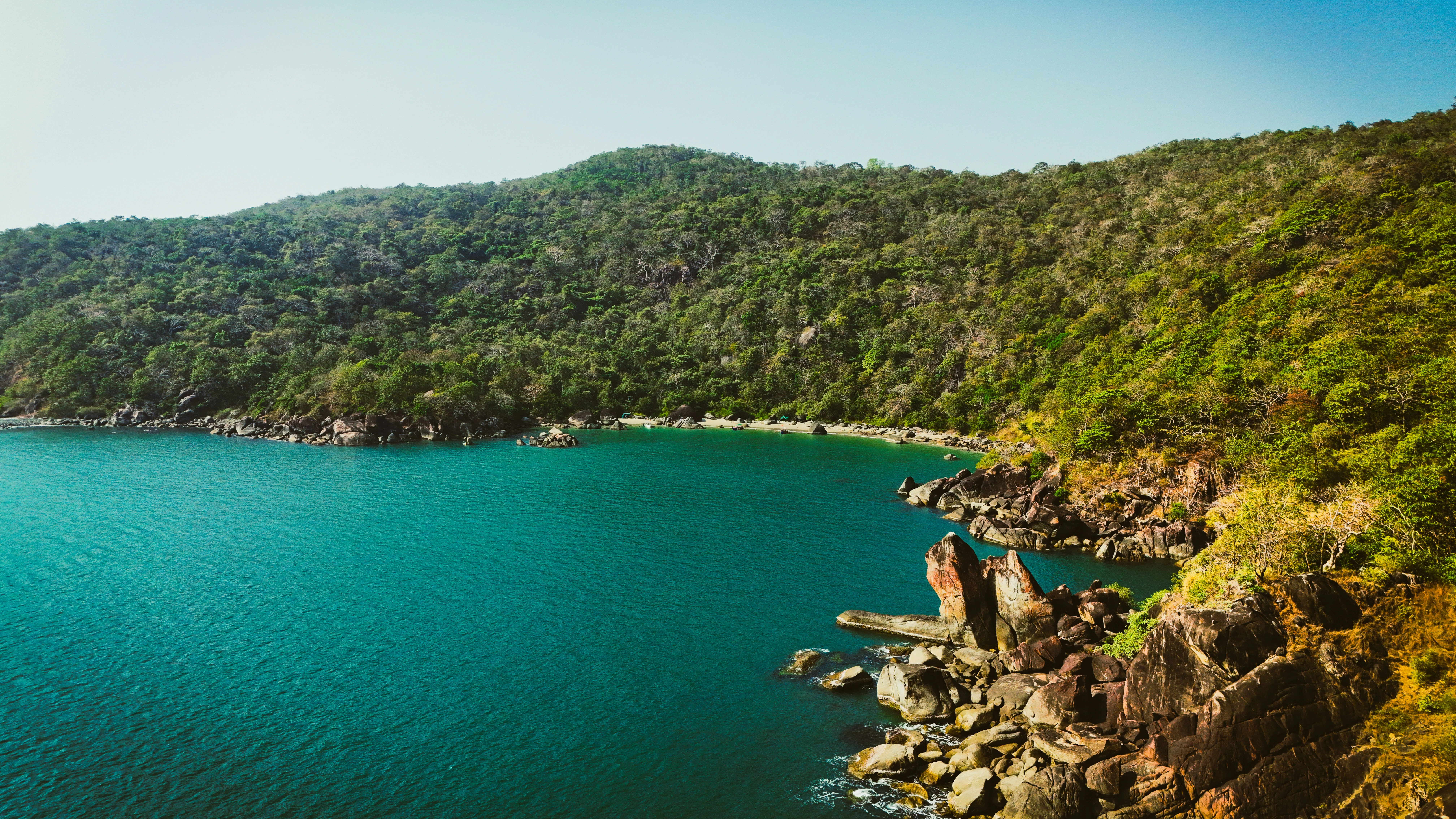
Butterfly Beach is a small, enclosed cove accessible only by boat or a forest trail — there is no road access. The cove is shaped like a horseshoe with a rocky headland on both sides, and the beach is approximately 200 metres of sand. The name comes from the butterfly-shaped rock formation visible at the northern end. Because there is no vehicle access and the boat ride is required, the beach rarely has more than 20–30 people at any time, even in peak season.
There are no permanent shacks or facilities at Butterfly Beach — boat operators typically give visitors 1–2 hours on the beach before returning. Carry water and food. Dolphins are frequently spotted in the waters around the cove, particularly in the morning.
Best time: November to February. Boat services don't operate during monsoon.
Ideal visit: Half-day trip from Palolem.
Nearby attractions: Palolem Beach (boat departure point), Agonda Beach (accessible via forest trail, 4 km).
3. Guhagar Beach, Maharashtra
If a road trip from Mumbai sounds good, look at our comprehensive Guhagar Beach guide to find the best local guesthouses.
Location: Ratnagiri district, Maharashtra. 200 km from Pune (4–4.5 hours), 330 km from Mumbai (6–7 hours). Nearest railway station: Chiplun (45 km).
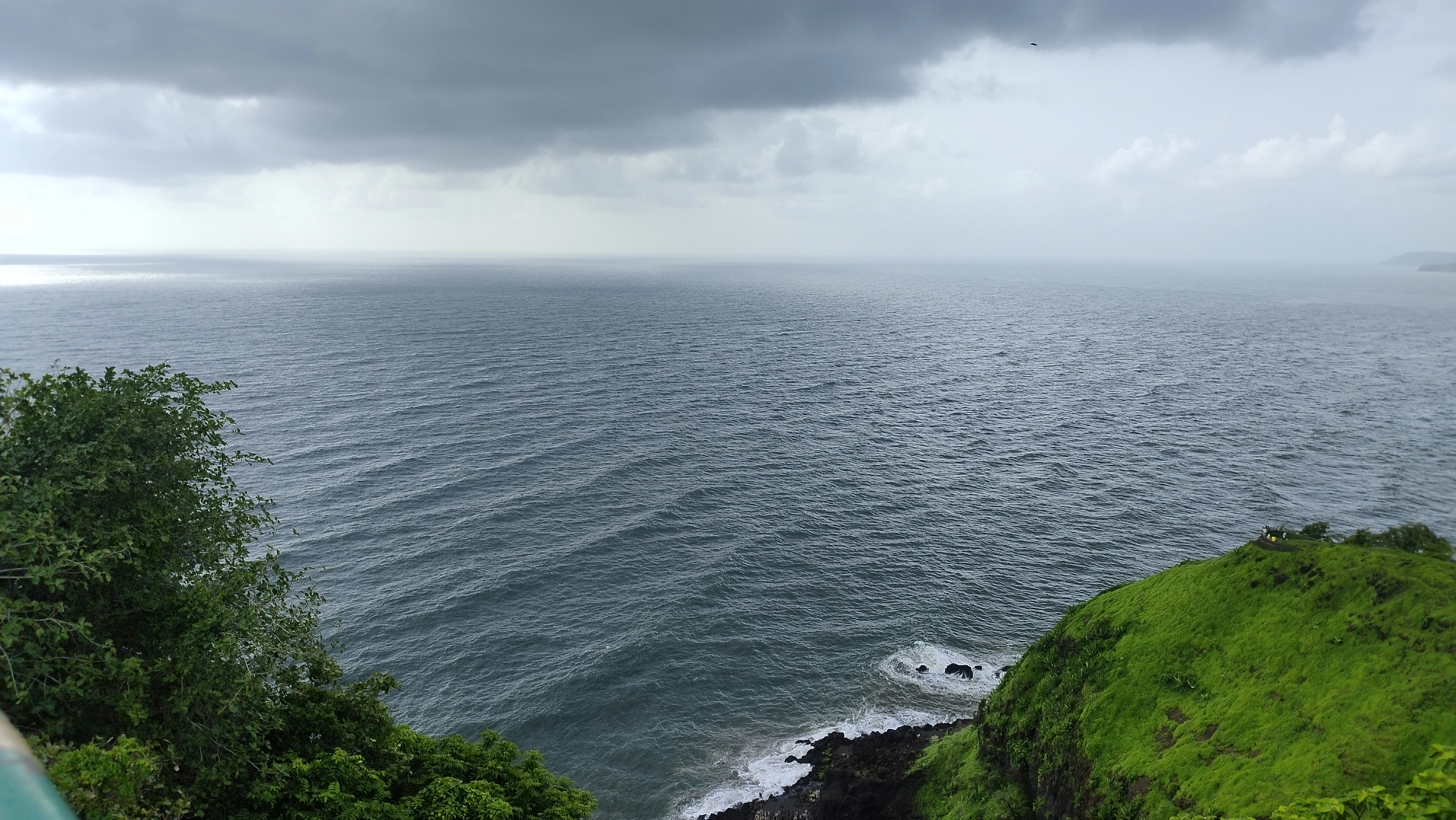
Guhagar is a 6 km beach on the Konkan coast between the Vashishti river estuary and the Bav river. The water is clean and clear by Maharashtra standards — noticeably better than Alibaug or Diveagar, which receive more visitors. The beach has a gentle gradient suitable for swimming. The Vyadeshwar Temple in Guhagar town, 2 km from the beach, is a significant local pilgrimage point and the reason the town exists at the scale it does.
Guhagar receives Olive Ridley turtles and Leatherback turtles during nesting season (November to March). The Forest Department runs nest protection efforts here. Accommodation is available in simple guesthouses and MTDC cottages at Rs 800–2,500 per night — book MTDC directly through the Maharashtra Tourism website.
Why it stays quiet: The drive from Pune or Mumbai is long and requires crossing the Konkan ghats. No direct train access — nearest station is 45 km away.
Best time: November to March.
Nearby attractions: Vyadeshwar Temple (2 km), Hedvi Beach (15 km, another quiet Konkan beach), Chiplun on the Vashishti river (45 km) for river rafting and the Parshuram Temple.
If you're tired of just reading lists, try the free destination finder tool on our homepage. By simply entering your preferred state and travel style, you can explore personalized recommendations complete with actual booking options from trusted platforms like Viator, GetYourGuide, and Klook.
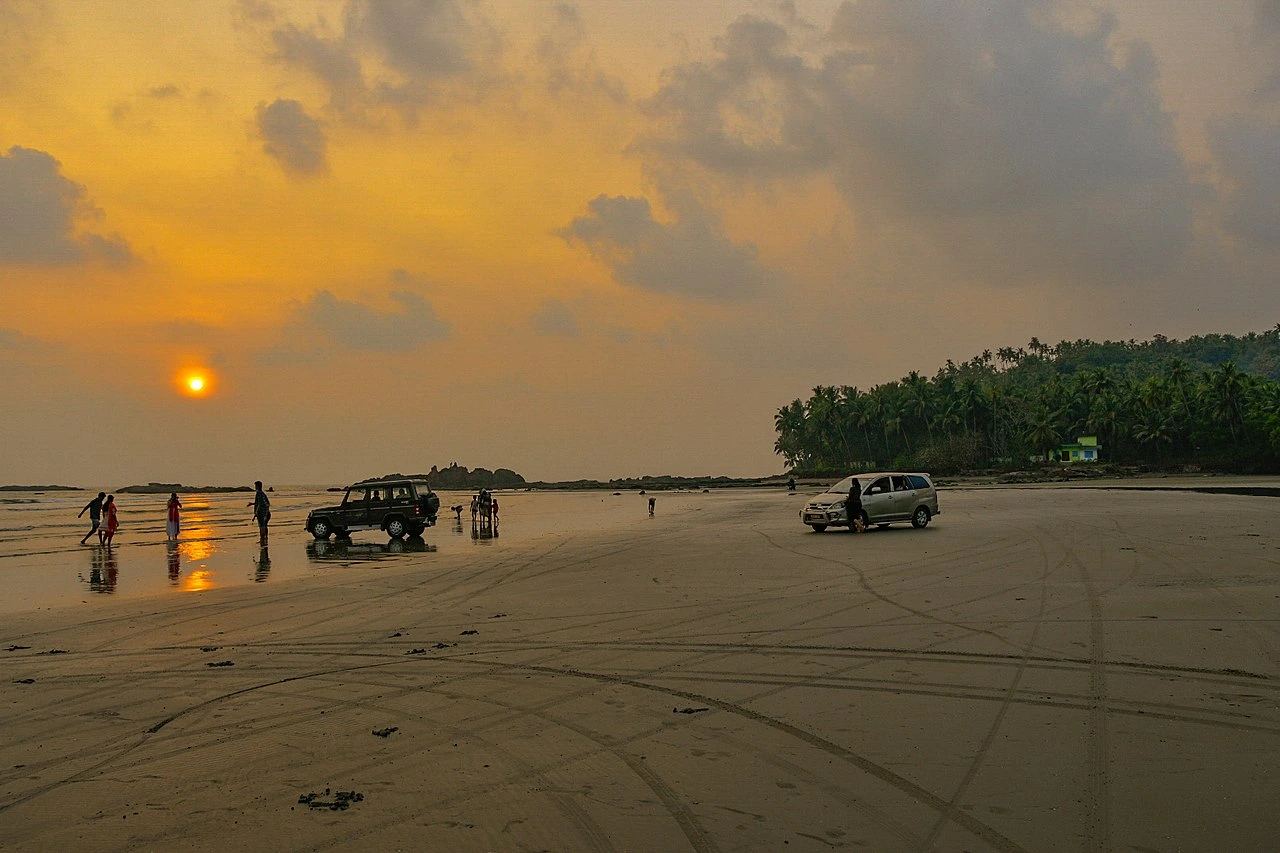
4. Muzhappilangad Drive-In Beach, Kerala
To ensure you visit during the correct tide for driving on the sand, thoroughly read our Muzhappilangad Drive-In Beach guide.
Location: Kannur district, Kerala. 135 km from Kozhikode (Calicut) airport, 15 km from Thalassery, 3 km from Muzhappilangad town.
Muzhappilangad is the longest drive-in beach in India at 4 km — vehicles can drive directly on the hard-packed sand at the upper beach level during low tide. This is not a gimmick; the beach surface is genuinely firm and wide enough for regular cars. The Kerala Tourism Department has designated a driving lane on the beach with traffic regulations. The sea at Muzhappilangad is swimmable in the central section, with rocky headlands at both ends.
Despite being a well-known fact among travel writers, Muzhappilangad remains lightly visited because Kannur is not on most Kerala tourist itineraries, which typically focus on Kochi–Munnar–Alleppey–Kovalam. The surrounding area — Kannur's weaving villages, Thalassery's food culture, and the Parassinikkadavu Snake Temple — makes this a worthwhile 2-day stop on a northern Kerala route.
Best time: October to March.
Ideal duration: 1–2 days.
Nearby attractions: Thalassery Fort (15 km, British-era fort in good condition), Parassinikkadavu Snake Temple (20 km), Kannur Weaving Co-operative (25 km).
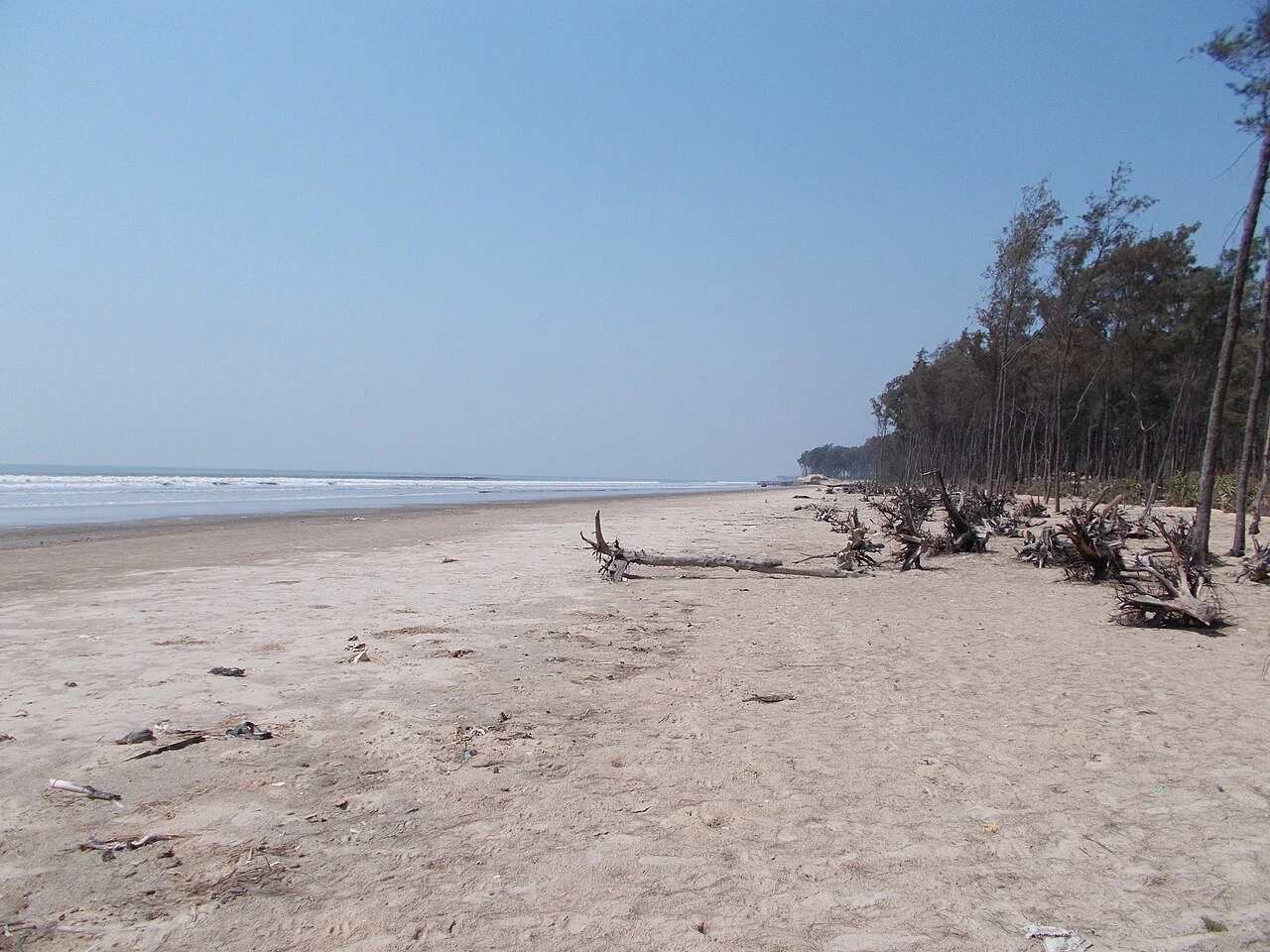
5. Tajpur Beach, West Bengal
While Tajpur is quiet, if you're interested in livelier coastal spots, browse our curated collection of the best beaches in India.
Location: Purba Medinipur district, West Bengal. 180 km from Kolkata (3.5–4 hours by road), 20 km from Digha.
Tajpur sits between Digha and Mandarmani on the West Bengal coast and has significantly less development than either. The beach is approximately 3 km of unbroken sand backed by casuarina forest. There are no permanent shacks or large hotels directly on the beach — accommodation consists of basic guesthouses in the village 1 km from the waterline, with rates between Rs 500–1,200 per night.
The sea at Tajpur is the same brownish Bay of Bengal water common to the entire West Bengal coast — water clarity is poor and it is not a snorkeling destination. The appeal is the emptiness: on a weekday in November or December, it is possible to walk the entire beach and encounter fewer than 50 people. Red crabs are visible on the beach and in the casuarina forest, particularly in the evening.
Best time: October to early March.
Ideal duration: 1–2 days. Best combined with Mandarmani (15 km) or Digha (20 km).
Nearby attractions: Mandarmani Beach (15 km, wider and slightly more developed), Digha (20 km), Bishnupur terracotta temples (130 km, a UNESCO tentative list site worth combining on a longer circuit).
For those deciding between the East and West coast, our verified Goa 3-day trip plan provides an excellent benchmark for coastal travel costs.
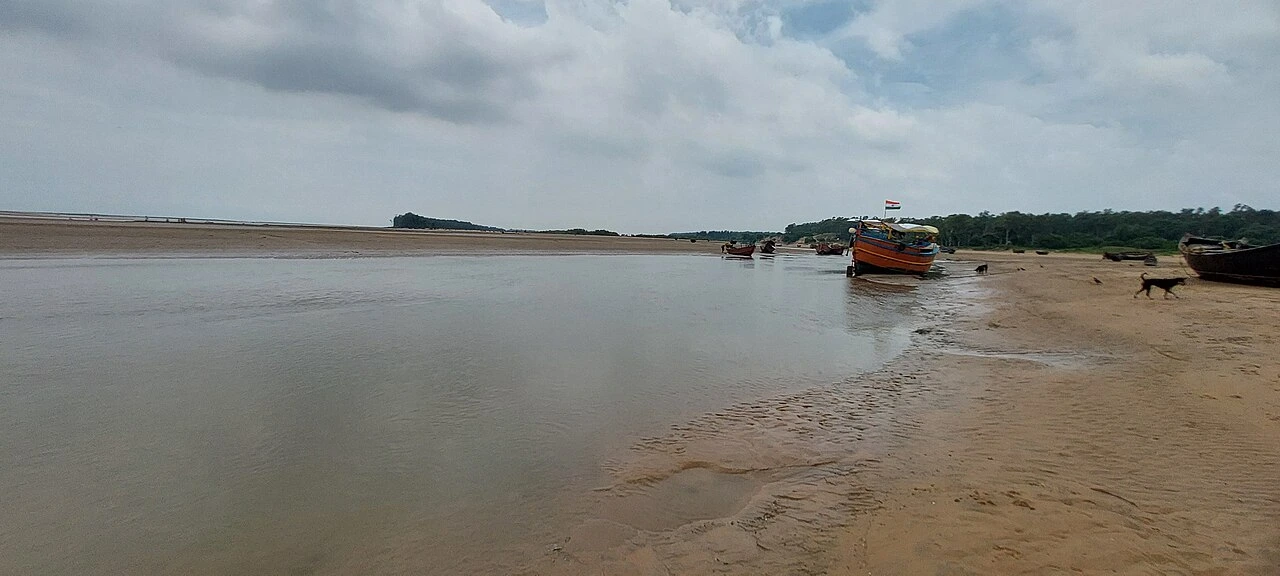
6. Talsari Beach, Odisha
To learn how to reach the sandbar and book the OTDC resort, check out our reliable Talsari Beach guide.
Location: Balasore district, Odisha. 220 km from Bhubaneswar (4–5 hours), 15 km from Digha (West Bengal border). Nearest railway station: Balasore (60 km).
Talsari is at the Odisha–West Bengal border where the Subarnarekha river meets the Bay of Bengal. The river mouth creates a distinctive landscape — the beach has a river channel on one side and the open sea on the other, with a sandbar in between that is accessible by boat. The forest behind the beach is a mix of mangroves and casuarina.
Talsari is one of the least-visited beaches on the eastern coast. OTDC (Odisha Tourism Development Corporation) runs a beach resort here, which is the only organized accommodation option. Rates are Rs 1,000–2,500 per night. Fishing boats operate from the river mouth and fresh seafood is available at the resort and at the local village market.
Best time: November to February.
Ideal duration: 1–2 days. Works as an extension of a Digha trip.
Nearby attractions: Chandaneswar Shiva Temple (20 km, on the Odisha–West Bengal border, significant pilgrimage site), Panchalingeshwar Temple (70 km, five Shivalingas in a hilltop forest setting).
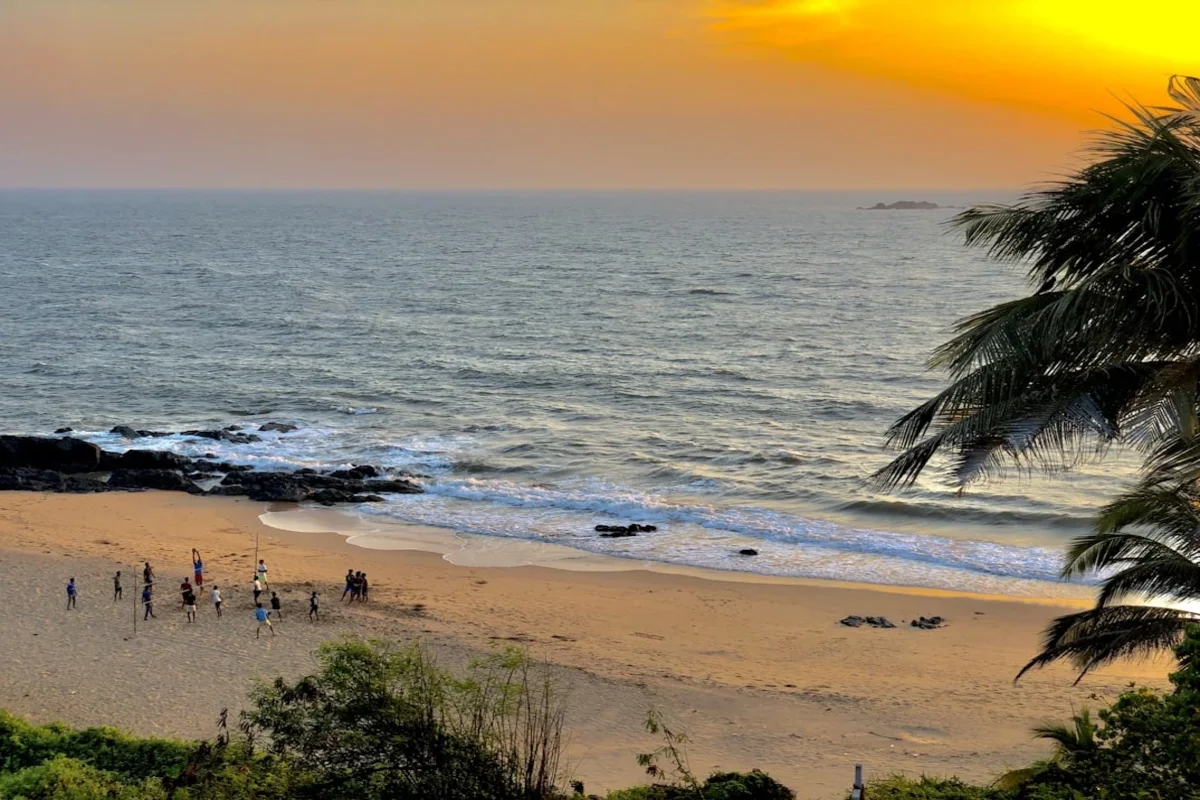
7. Uttorda Beach, South Goa
If proximity to the airport is a priority for your quiet getaway, examine our detailed Uttorda Beach guide.
Location: Salcete taluka, South Goa. 35 km from Dabolim Airport, 20 km from Margao railway station.
Uttorda (also spelled Utorda) is a 3 km beach in South Goa between Majorda and Betalbatim. The beach has a handful of mid-range and upscale resorts set back from the shoreline but almost no commercial activity directly on the sand. The shack density is the lowest of any accessible South Goa beach, and the beach itself is clean and wide.
What makes Uttorda genuinely useful is the combination of proximity to the airport and the quiet character — it is closer to Dabolim Airport than Baga or Calangute, making it a practical first or last night option for a Goa trip. The Sunday market at Majorda (adjacent to Uttorda) sells fresh produce and local Goan food items. The Goa Velha ruins of the old Portuguese city of Goa are 25 km north.
Best time: October to March.
Ideal duration: 2–3 days as a quiet South Goa base.
Nearby attractions: Majorda Beach (2 km), Colva Beach (10 km), Old Goa churches and ruins (25 km, UNESCO World Heritage Site — Basilica of Bom Jesus, Se Cathedral).
8. Dhanushkodi Beach, Tamil Nadu
For those looking to add some thrill to their historical visit, learn how to book a Dhanushkodi ATV ride across the remote sands.
Location: Ramanathapuram district, Tamil Nadu. 20 km from Rameswaram, 100 km from Madurai. Accessible by shared jeep or 4WD from Rameswaram (regular cars cannot manage the last 10 km of the road).
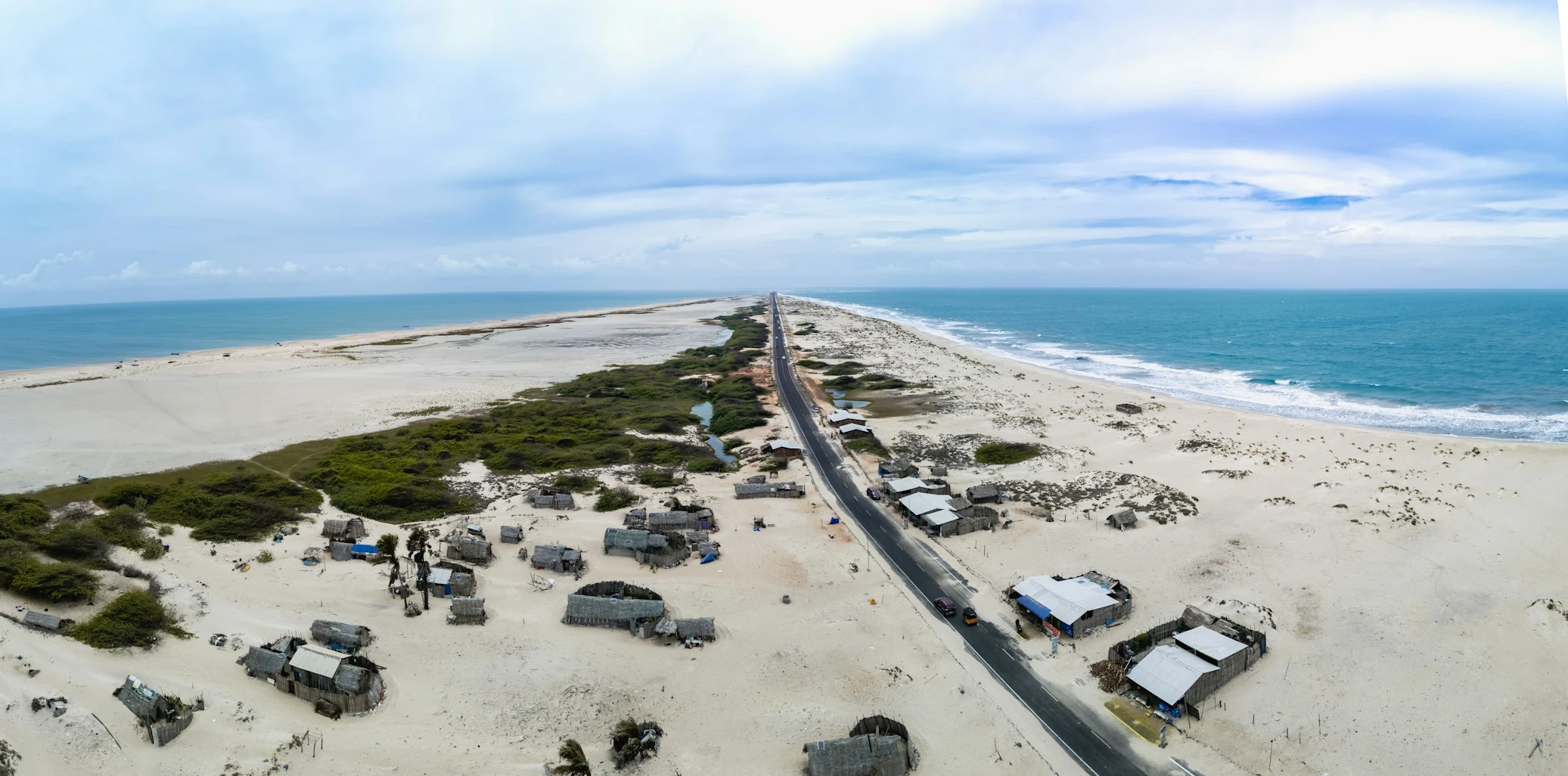
Dhanushkodi is a ghost town at the southeastern tip of Pamban Island, destroyed by a cyclone in 1964 and never rebuilt. The ruins of the railway station, church, post office, and residential buildings are visible amid sand dunes. At the land's end, the Bay of Bengal and the Indian Ocean meet — the colour difference between the two bodies of water is visible on clear days. Sri Lanka is approximately 18 km across the Palk Strait from this point.
The road to Dhanushkodi runs along a narrow strip of land barely wider than the road itself with sea on both sides in sections — this stretch is the distinctive part of the journey. The beach at Dhanushkodi is long and completely undeveloped. There are no restaurants, no accommodation, and no shade. Shared jeeps from Rameswaram charge Rs 200–400 per person return and operate from early morning.
Best time: November to March. April–May is hot (38–42°C). Cyclone season (October–December) can occasionally disrupt access.
Ideal visit: Full-day trip from Rameswaram.
Nearby attractions: Ramanathaswamy Temple in Rameswaram (20 km, one of the 12 Jyotirlingas), Pamban Bridge (15 km, India's first sea bridge, with a view of the rail bridge alongside), Adam's Bridge sandbar (visible from Dhanushkodi land's end).
9. Ross and Smith Islands, Andaman & Nicobar
If you are planning an extensive Andaman trip, our comprehensive Neil Island guide will help you organize ferry transfers between islands.
Location: Diglipur, North Andaman. 325 km from Port Blair by road and ferry (approximately 10–12 hours), or 45-minute flight from Port Blair to Diglipur (seasonal availability).
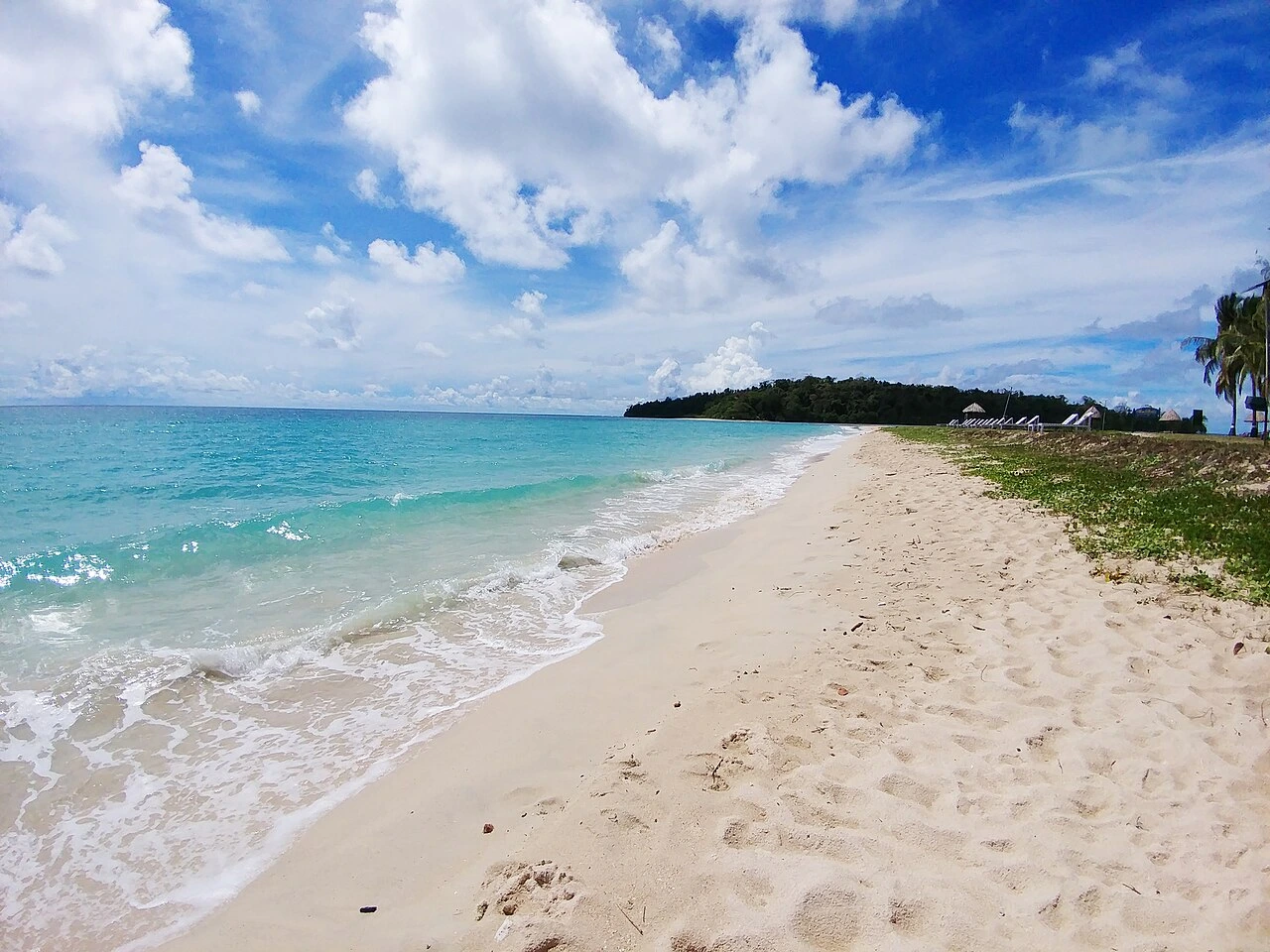
Ross and Smith are twin islands connected by a natural sandbar that appears at low tide, creating a walkable strip of white sand between two forested islands. The sandbar is 300–400 metres long and is accessible for approximately 4–6 hours around low tide — timing your visit requires checking tidal charts, which local guesthouses and the forest department provide. The water on both sides of the sandbar is clear and shallow at the sandbar itself.
These islands are the least visited significant beach destination in the Andamans because of the distance from Port Blair. The effort involved — a 10-12 hour journey or a short flight to Diglipur followed by a local boat — filters out casual tourists. Diglipur has basic guesthouse accommodation (Rs 600–1,500 per night), a daily market, and is also a base for Saddle Peak (737 m, highest point in the Andamans) trekking.
Permits are required for the Andaman islands — Indian nationals need a permit obtained at Port Blair on arrival (free, issued same day).
Best time: November to April.
Ideal duration: 2–3 days in Diglipur, combined with Saddle Peak trek.
Nearby attractions: Saddle Peak National Park (15 km from Diglipur, highest trek in the Andamans), Lamiya Bay Beach (10 km from Diglipur, another quiet beach), Kalipur Beach (7 km, Olive Ridley nesting site).
10. Kaup Beach, Karnataka
Before stopping on your coastal Karnataka drive, consult our practical Kaup Beach guide for lighthouse opening days.
Location: Udupi district, Karnataka. 20 km from Udupi, 55 km from Mangalore, 100 km from Mangalore airport.
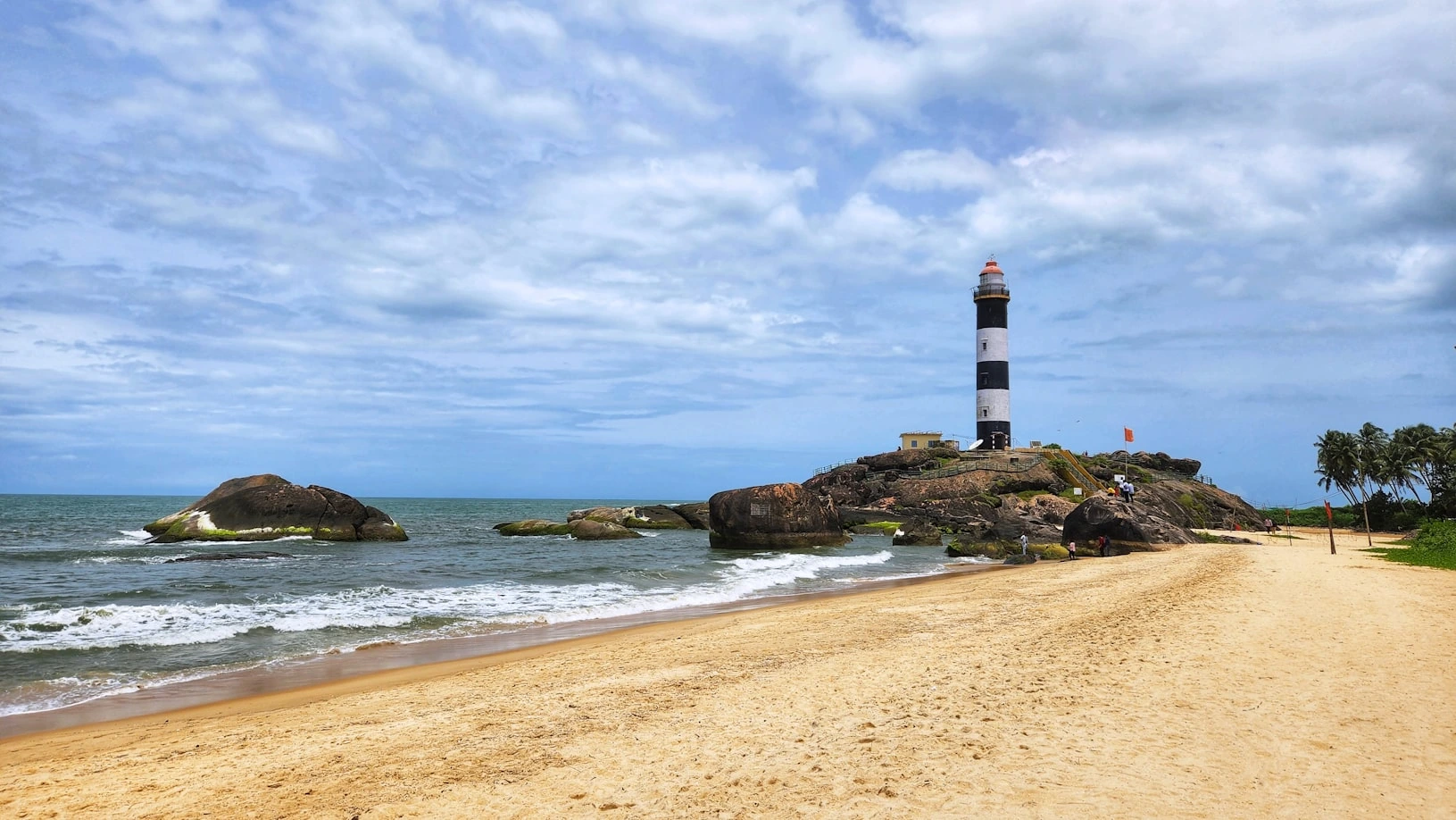
Kaup (also spelled Kapu) is a 2 km beach on the Karnataka coast with a 16th-century lighthouse at its northern end. The lighthouse is one of the more distinctive structures on the Karnataka coast — a 27-metre octagonal basalt tower that was operational from 1901. It is open to visitors on select days and the view from the top covers the Swarna river mouth and the Malpe coast. Entry is Rs 20.
The beach receives local visitors from Udupi and Mangalore but is largely bypassed by travelers who are focused on Gokarna (70 km south) or Murudeshwar (90 km north). The sea conditions are moderate — not as rough as Gokarna but not enclosed like Palolem. The area around Kaup has a fishing village character, and fresh seafood (surmai, pomfret, squid) is available at local eateries in the village for Rs 150–350 per dish.
Best time: October to March.
Ideal duration: Half-day to full-day trip. Works as a stop on the Gokarna–Mangalore coastal route.
Nearby attractions: Malpe Beach and St. Mary's Islands (12 km from Udupi — the islands have hexagonal basalt rock formations, accessible by boat), Udupi Sri Krishna Temple (20 km), Kollur Mookambika Temple (60 km).
To vary your itinerary with inland natural wonders, read our Dhuandhar Falls Bhedaghat trip guide to see central India's famous smoke cascade.
Quick Comparison Table
| Beach | State | Distance from Nearest City | Best Time | Best For |
|---|---|---|---|---|
| Agonda Beach | Goa | 65 km from Margao | October–March | Couples, slow travel |
| Butterfly Beach | Goa | 72 km from Margao (+ boat) | November–February | Day trips, seclusion |
| Guhagar Beach | Maharashtra | 200 km from Pune | November–March | Families, clean water |
| Muzhappilangad Drive-In Beach | Kerala | 135 km from Kozhikode | October–March | Unique experience, families |
| Tajpur Beach | West Bengal | 200 km from Kolkata | October–March | Budget, seclusion |
| Talsari Beach | Odisha | 220 km from Bhubaneswar | November–February | Quiet, budget |
| Uttorda Beach | Goa | 35 km from Dabolim Airport | October–March | Couples, relaxed stays |
| Dhanushkodi Beach | Tamil Nadu | 100 km from Rameswaram | November–March | History, remote experience |
| Ross and Smith Islands | Andaman | 90 km from Port Blair | November–April | Seclusion, sandbar |
| Kaup Beach | Karnataka | 20 km from Udupi | October–March | Quiet, day trips |
Best Time to Visit Hidden Beaches in India
The same coastal monsoon patterns apply to these lesser-known beaches as to the popular ones:
West Coast (Goa, Maharashtra, Karnataka, Kerala): October to March is the practical season. June through September is the southwest monsoon — most of these beaches are inaccessible or unpleasant during this period. Guhagar and Agonda both receive heavy rainfall from June to September.
East Coast (West Bengal, Odisha, Tamil Nadu): The northeast monsoon affects this coast from October through December, with Tamil Nadu (Dhanushkodi) receiving the most significant rainfall in November. The practical season is January to early May and October. Tajpur and Talsari are best from October through February.
Andaman Islands: November to April only. Monsoon from May to October makes ferry services unreliable and the sea dangerous for small boats.
Budget Travel Tips
Reach by train where possible: Guhagar is 45 km from Chiplun (Konkan Railway), Kaup is 20 km from Udupi, and Talsari is reachable from Digha which has direct trains from Howrah. Coastal Karnataka and the Konkan coast are among the best-connected shorelines in India by train.
Use state tourism guesthouses: MTDC at Guhagar, OTDC at Talsari, and Andaman Tourism guesthouses at Kalipur near Diglipur are budget options managed by state governments. Rates are Rs 600–2,000 per night and locations are often directly beach-adjacent. Book directly through state tourism websites.
Avoid hiring private cabs from airports: For beaches like Agonda and Uttorda, cabs from Dabolim Airport charge Rs 1,200–2,000. Pre-booking through local operators or using app cabs reduces this to Rs 700–1,200. For Dhanushkodi, shared jeeps from Rameswaram at Rs 200–400 per person replace the need for a private hire.
Travel mid-week: These beaches receive primarily weekend domestic visitors. Arriving on Tuesday or Wednesday means significantly lower accommodation rates (15–30% less at guesthouses) and the closest thing to an empty beach that accessible India offers.
Ready to leave the lists behind and start planning? Head over to the free finder tool on our homepage to filter destinations by state and type, giving you personalized travel cards with direct booking options from Viator, GetYourGuide, and Klook.
Frequently Asked Questions
1. Which hidden beach in India is easiest to reach from Mumbai?
Guhagar in Maharashtra's Ratnagiri district is the most accessible hidden beach from Mumbai at 330 km, approximately 6–7 hours by road via NH66 (the Mumbai–Goa highway). It is also reachable by taking the Konkan Railway to Chiplun (approximately 4.5 hours from Mumbai CST in the Mandovi or Konkan Kanya Express) and then a 45 km taxi or bus to Guhagar. Kaup in Karnataka is accessible from Mangalore (55 km), which has direct flights from Mumbai taking 1.5 hours. For those willing to drive, Agonda and Uttorda in South Goa are 550 km from Mumbai — a long drive but manageable as an overnight journey.
2. Are these hidden beaches safe for solo female travelers?
Agonda, Guhagar, Uttorda, and Kaup are small, community-embedded beaches with a village character and low crime incidence — they are generally considered safe for solo female travelers. Dhanushkodi involves a remote jeep journey and a deserted beach with no facilities — traveling with at least one companion is advisable here rather than going entirely alone. For Ross and Smith Islands in the Andamans, the remoteness of Diglipur is less of a concern than logistical isolation — inform your guesthouse of your plan before taking a boat to the islands. Standard precautions apply across all locations: share your itinerary with someone, carry adequate water and a charged phone.
3. Which of these beaches is best for snorkeling or water sports?
Tarkarli (covered in our separate beaches guide) is the best Maharashtra coast option for snorkeling. Among the beaches in this list, Ross and Smith Islands near Diglipur in the Andamans offer the best water clarity for snorkeling — the water around the sandbar and on the Smith Island side is clear with coral and reef fish visible. Butterfly Beach in South Goa has clear water around the headland rocks. Guhagar has better-than-average water clarity for Maharashtra but is not a dedicated snorkeling destination. None of the listed beaches have organized water sports infrastructure — that is partly why they remain uncrowded.
4. Which beach on this list is best for a 1-night trip from Kolkata?
Tajpur is the most practical 1-night option from Kolkata at 180 km (3.5–4 hours by road). The drive is manageable as a Saturday morning departure, overnight stay, and Sunday return. Talsari in Odisha is 220 km and requires 4–5 hours. Both are budget options with basic guesthouse accommodation in the Rs 600–1,200 range. Tajpur has the slight edge for emptiness and atmosphere; Talsari has the Subarnarekha river mouth setting that is visually more distinctive. Mandarmani (150 km from Kolkata) is technically closer but significantly more developed and crowded than either option on weekends.
5. Do any of these beaches require permits or special passes?
Ross and Smith Islands in the Andamans require the standard Andaman Restricted Area Permit for Indian nationals, which is issued free of charge at Port Blair airport or the permit office on arrival — it covers the entire Andaman island group and takes under an hour to obtain. No advance application is required for Indian citizens. Dhanushkodi does not require a permit but the road beyond the checkpoint at Rameswaram is managed by local authorities — vehicles are not allowed beyond a certain point and the last section requires a shared jeep or 4WD. All other beaches on this list have no permit requirements for Indian nationals.