Goa Beaches That Aren't Overcrowded (2026) — Plus: Which Ones Are Open in Monsoon

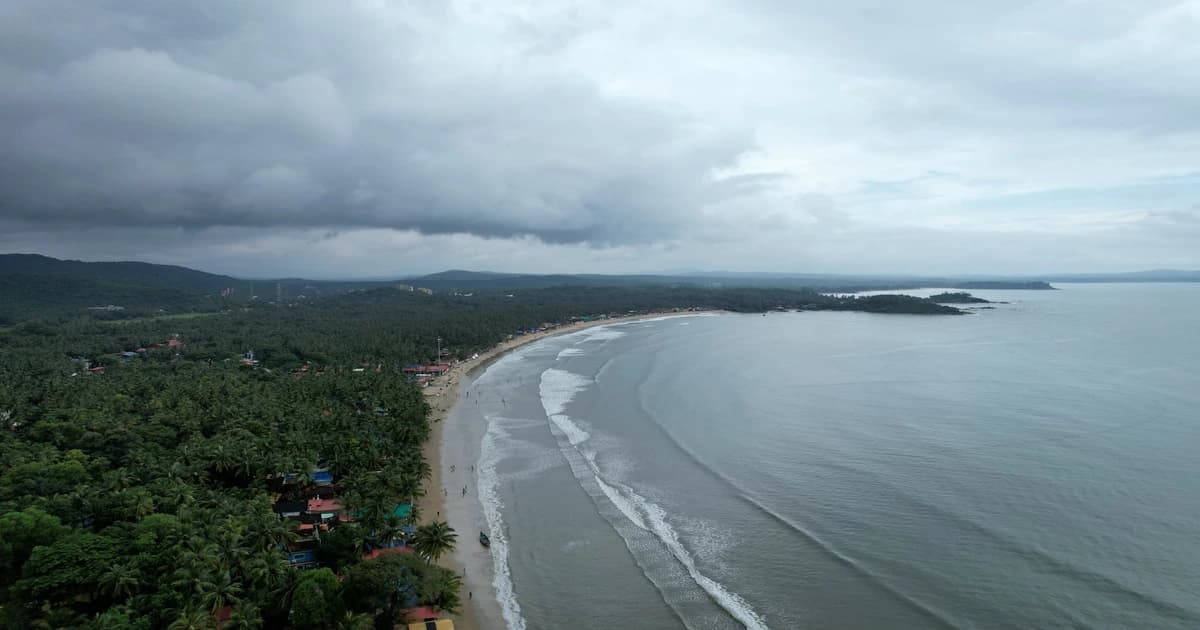
🌧️ August 2026 Monsoon Note — Read This Before You Book
Updated August 4, 2026.
If you are reading this in July–September, Goa is in full monsoon right now. Most beach shacks are closed. The sea is rough and swimming is not permitted at any beach. The beaches on this list look different in monsoon — greener, dramatic, genuinely beautiful — but the infrastructure (shacks, water sports, accommodation) is at minimum capacity.
What IS open right now in monsoon:
- Agonda and Palolem guesthouses — some remain open year-round
- Cola beach tented camps — a few operate through monsoon for the landscape experience
- The beaches themselves are accessible, free, and genuinely quiet
The better play: Plan your Goa trip for October 2026. The season restarts properly from late September — shacks open, sea calms, and the beaches are at their greenest post-monsoon while still having the infrastructure running. Book accommodation now for October weekends because the better places fill up fast after the monsoon break.
The guide below covers which beaches suit which traveller type once the season is running. Bookmark it for your October planning.
🎫 Pre-Book Your South Goa Experience
If you are planning your trip now, I highly recommend booking these verified South Goa packages in advance to secure the best rates:
- South Goa Full Day Sightseeing Tour
- Dudhsagar Waterfalls & Spice Plantation Jeep Safari
- Complete South Goa Holiday Package
If you searched "quiet beaches in Goa" and landed here, you already know the problem.
Let's be honest about what "less crowded" actually means in Goa in 2026. It does not mean empty. It does not mean you will have a 500-metre stretch to yourself on a Saturday in December. What it means is: no jet ski touts walking every 90 seconds, no shoulder-to-shoulder shack chairs, and a beach where the dominant sound is still the sea rather than music from the shack behind you. Every beach on this list clears that bar. Some clear it by a wide margin. The guide below covers seven beaches across North and South Goa — with honest crowd patterns, who each one actually suits, what makes each one different, and where to stay nearby. If you are planning a Goa trip in 2026 and your first instinct was Baga or Calangute, read this first.
South Goa — Where the Quieter Beaches Actually Are
South Goa carries the quieter reputation for a reason. The beaches here are wider, less commercially developed, and separated from each other by longer stretches of road — which naturally limits footfall. The trade-off is distance from the airport and fewer nightlife options. For couples, solo travelers, and anyone whose priority is the beach itself rather than the scene around it, South Goa is the right half of the state.
Cola Beach — The One That Earns the Effort
To get exact details on finding the lagoon and the best tented camps, see our full Cola Beach guide.
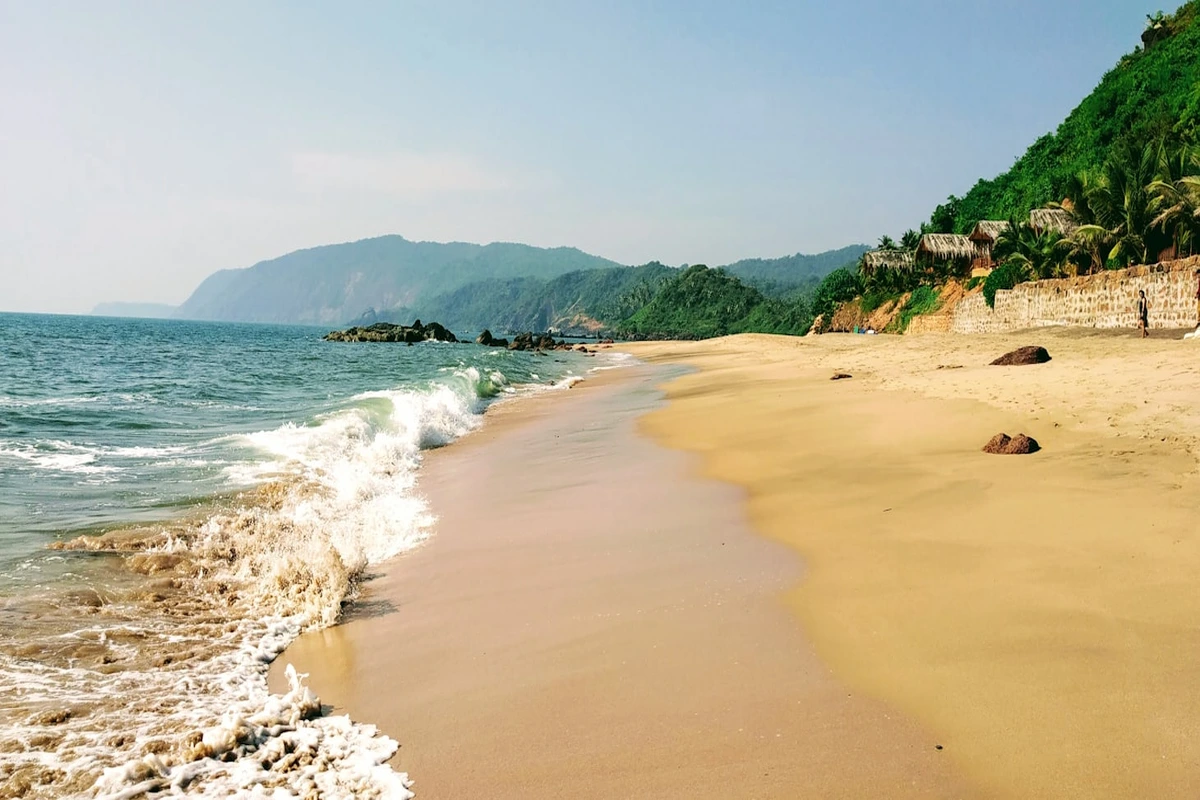
Cola Beach (also spelled Khola) is the only beach on this list that requires a commitment to reach — a 2 km rough track from the main Agonda–Cabo de Rama road that needs a high-clearance vehicle or a willingness to walk. That friction is exactly why it remains the most genuinely quiet beach in South Goa. The beach itself is a 600-metre crescent where a freshwater lagoon formed by a small stream sits immediately behind the sand, separated from the sea by a sandbar. You can swim in the lagoon or the sea within metres of each other — a layout that does not exist at any other Goa beach. A handful of tented camps and bamboo hut operators sit behind the lagoon. The vibe is unhurried in a way that does not feel manufactured.
Reality check: Cola is not secret. Travel reels have been covering it since 2021 and the tented camps fill up on November–February weekends. The access track keeps day-trippers in cars away, which is the primary crowd filter — most visitors stay overnight rather than arriving and leaving the same day.
Crowd pattern: November–February weekends see the tented camps full but the beach itself remains low-density because overnight guest numbers are capped by the small number of properties. Weekdays in November and December are the sweet spot — the camps have availability and the beach has fewer than 30 people. March onward sees the tented operators start closing; by April Cola is effectively inaccessible as a stay.
Who it's for: Couples, solo travelers, anyone who wants a stay where the accommodation is literally behind the beach rather than on a road 500 metres away.
What makes it different: The freshwater lagoon behind the sandbar — it is the only Goa beach with this feature and it changes the entire spatial experience of the place.
Cost snapshot: Tented camps at Cola charge Rs 2,500–5,000 per night including meals (most are full-board given the remote location). Day access involves no entry fee but the 2 km track means you are likely hiring a local guide or driver for Rs 100–200.
Where to stay: Stay at one of the Cola beach camps directly — Glamping Cola, Cola Beach Resort, or similar operators bookable through their own websites or MakeMyTrip. There are no hotels in the conventional sense. Agonda (7 km on tarmac) has guesthouse options if you prefer a base with easier access.
When to visit: Arrive at the lagoon by 8 AM if staying nearby — the light on the water is best before 10 AM and the sandbar is at its most defined at low tide in the morning.
If you're organizing a short stay, you'll definitely benefit from our Goa 3-day trip plan that keeps you on budget.
Quick verdict: Worth it if you are staying overnight and want a beach that genuinely feels removed from the Goa tourist machine. Skip it if you are doing a day trip — the access effort does not pay off for a 3-hour visit.
| Factor | Details |
|---|---|
| Crowd Level | Low (weekdays) / Moderate (weekends, Nov–Feb) |
| Best Time | November–February, weekday mornings |
| Cost | Rs Rs Rs (tented camps Rs 2,500–5,000/night including meals) |
| Stay Area | Cola Beach camps directly, or Agonda (7 km) |
| Best For | Couples, overnight stays, lagoon swimming |
Agonda Beach — South Goa's Most Liveable Beach
If the no-motorised-sports rule sounds appealing, discover more about local cafes and stays in our complete Agonda Beach guide.
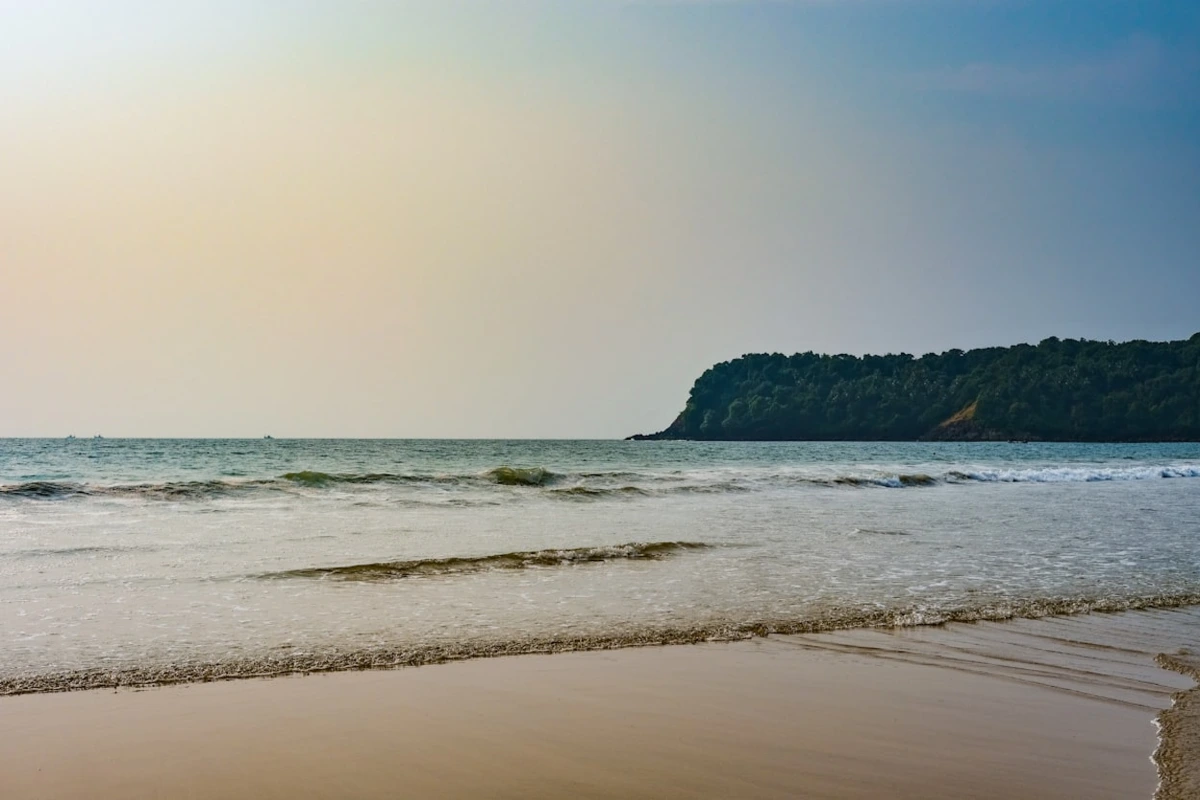
Agonda does not have a standout physical feature the way Cola has its lagoon or Palolem has its cove shape. What it has is character accumulated over 15 years of low-key tourism: a 3 km beach with casuarina trees behind the sand, a handful of shacks set back from the waterline rather than crowding it, and a pace that is slower than any other accessible South Goa beach. There are no jet skis, no parasailing, no water sports operators — by informal community agreement, Agonda keeps motorised beach activity out. You come here to be on the beach, walk on the beach, and eat at a shack 20 metres from the beach. That is the complete programme.
Reality check: Agonda is genuinely calm but not remote. It has a proper road, guesthouses across all budgets, and a sufficient number of cafes and restaurants that you never feel like you are roughing it. The "Agonda is untouched" framing that circulated on travel blogs a few years ago is outdated — it is developed, just developed tastefully.
Crowd pattern: The beach never reaches the density of Palolem even in peak season because it has no defined center — no main ghat, no jetty, no focal point that concentrates people. November–February weekends bring full guesthouses but a 3 km beach distributes those guests thinly. Olive Ridley turtle nesting from November to February means the southern end of the beach is periodically cordoned by the Forest Department — this actually reduces usable beach length and concentrates the limited crowd slightly toward the north end.
Who it's for: Couples seeking a quiet stay, solo travelers who want to work remotely or read without interruption, and anyone who tried Palolem on a previous trip and found it slightly too busy.
What makes it different: The no-motorised-water-sports rule is the single most important differentiator — it is the reason the beach retains its character despite growing visitor numbers.
Cost snapshot: Guesthouses from Rs 800–2,500 per night for basic rooms. Mid-range bamboo huts Rs 1,500–3,500. Meals at shacks Rs 200–500 per plate. A day on Agonda costs Rs 1,200–2,500 per person for accommodation, food, and nothing else — because there is nothing else to spend on.
Where to stay: The road running parallel to the beach (Agonda Beach Road) has the best concentration of guesthouses — Agonda White Sand, La Dolce Vita, and Dunhill Beach Resort are consistently reviewed well. Book directly or via Booking.com for November onwards.
When to visit: Sunset at Agonda faces west over the Arabian Sea — arrive at the beach by 5:30 PM. October and early November before peak crowds arrive is the best window for combining good weather with manageable guest numbers.
For alternative coastal recommendations across the country, take a look at our curated list of the best beaches in India.
Quick verdict: Worth it for anyone who wants South Goa's quiet character with enough infrastructure to be comfortable. Skip it if you are looking for nightlife or organised activities — there are none.
| Factor | Details |
|---|---|
| Crowd Level | Low–Moderate year-round |
| Best Time | October–November and February for lighter crowds |
| Cost | Rs Rs (budget-friendly, Rs 800–2,500/night stay) |
| Stay Area | Agonda Beach Road guesthouses |
| Best For | Couples, solo travelers, slow travel |
Palolem Beach — The Most Organised "Quiet" Beach in Goa
Those looking to experience the beach hut culture should read our thorough Palolem Beach guide for accommodation tips.
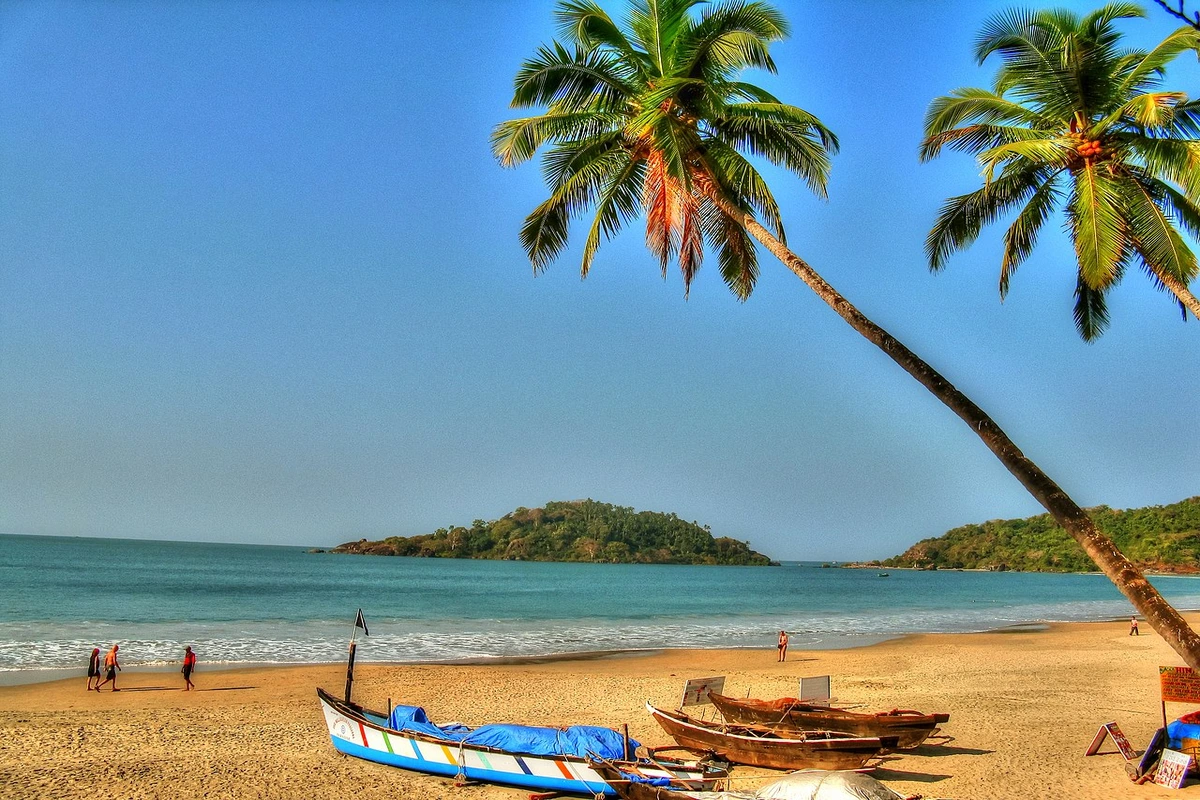
Palolem is on this list with a caveat: it is the most visited beach in South Goa and calling it uncrowded requires qualification. What makes it relevant here is that its enclosed bay geometry — two headlands forming a crescent that limits wave action — creates a calmer sea than anywhere in North Goa, and the physical layout of the beach (a defined arc with clear sight lines) makes it feel less chaotic than Baga or Calangute even when guest numbers are comparable. The beach hut culture here — bamboo and palm structures directly on the sand, dismantled and rebuilt each season — gives it a character that concrete-and-tile Goa hotels cannot replicate.
Reality check: Palolem in December and January is not a quiet beach. The main strip of huts and shacks is fully operational, the kayak hire operators are active, and Silent Disco events at the southern end run on multiple nights per week. "Less crowded than Baga" is accurate; "quiet" is a stretch during peak season.
Crowd pattern: October is genuinely quiet — the season is just opening, huts are going up, and guest numbers are a fraction of December. February is the second-best window. Weekday mornings throughout the season are significantly calmer than afternoons and weekends. The northern end of the beach (toward the Palolem headland) is consistently less busy than the center and southern end.
Who it's for: First-time Goa travelers who want the beach hut experience without committing to a fully remote location, couples wanting kayaking or a calm-water swim, and anyone who found North Goa too overwhelming but still wants reasonable facilities nearby.
What makes it different: The enclosed bay producing calm, swimmable water is the functional differentiator — it is the best Goa beach for actually getting in the sea without fighting waves.
Cost snapshot: Beach huts Rs 1,000–3,500 per night depending on proximity to water and season. Meals at shacks Rs 250–600. Kayak hire Rs 200–300 per hour. Full day including stay and food: Rs 2,000–5,500 per person.
Where to stay: Book beach huts directly from Palolem operators (Bhakti Kutir, Sevas Beach Huts, Colomb Bay Huts are well-reviewed options). For guesthouse alternatives slightly off the beach, the Colomb Bay area 500 metres north of Palolem is quieter and 20–30% cheaper.
When to visit: October for quiet opening season. If visiting in December or January, arrive at the beach by 8 AM — the morning light on the bay is the best time and crowds do not build until 10 AM.
Quick verdict: Worth it for the bay swimming and beach hut experience — the best entry-level "less commercial Goa" beach. Skip it if you want isolation — Agonda or Cola do that better.
| Factor | Details |
|---|---|
| Crowd Level | Moderate (weekdays) / High (Dec–Jan weekends) |
| Best Time | October and February for best balance |
| Cost | Rs Rs–Rs Rs Rs (huts Rs 1,000–3,500/night) |
| Stay Area | Palolem beach huts or Colomb Bay guesthouses |
| Best For | Couples, first-timers, calm-water swimmers |
Butterfly Beach — For the Half-Day, Not the Full Day
Before taking the boat from Palolem, gather all the necessary facts from our detailed Butterfly Beach guide.
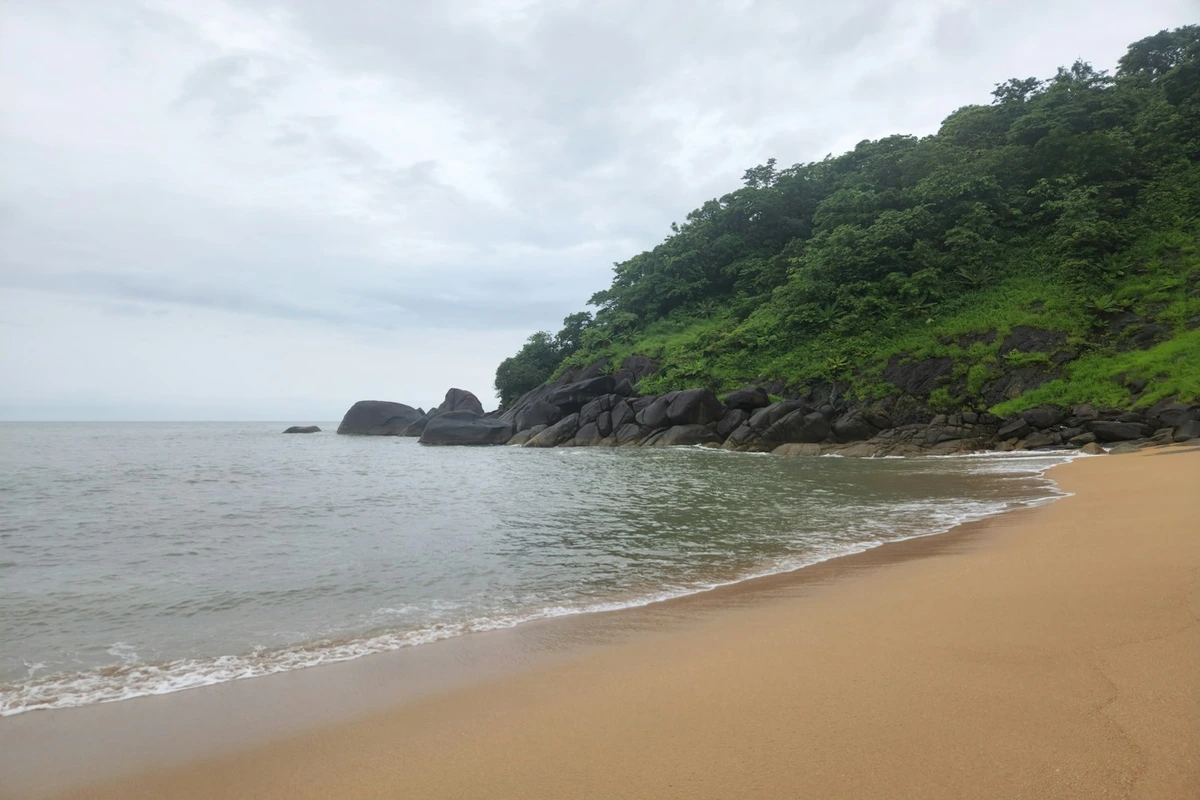
Butterfly Beach is not a stay destination — it is a 200-metre cove accessible only by a 20-minute boat from Palolem Ghat (Rs 300–500 return per person) or a 45-minute forest trek from Agonda. There is no road, no shack, no toilet, and no shade beyond the tree line at the back of the cove. What there is: horseshoe-shaped sand enclosed by two rocky headlands, clear water, and almost nobody. The cove is named for the butterfly-shaped rock formation at the northern headland visible from the water.
Reality check: The boat ride filter keeps the numbers low — but dolphin-spotting boat tours from Palolem now include Butterfly Beach as a stop, which means the cove has 15–25 people on it at any given time during November–February mornings. Still far fewer than any accessible beach, but not the private paradise that older travel posts describe.
Crowd pattern: Before 9 AM and after 3 PM, the boat tour groups are not operating and the beach is at its quietest. Monsoon season (June–September) — no boats operate and the beach is inaccessible. The forest trek from Agonda is a year-round option but requires navigation — go with a local guide the first time.
Who it's for: Couples wanting a half-day escape from Palolem, solo travelers who enjoy the boat ride as much as the destination, and anyone who wants to say they found a cove that required actual effort to reach.
What makes it different: The only Goa beach where car access is structurally impossible — the water and forest create a natural barrier that no amount of tourist development can change.
Cost snapshot: Boat from Palolem Rs 300–500 return. No food available at the beach — bring water and snacks. No stay options. Total half-day cost: Rs 500–800 per person including the boat and transport from your hotel to Palolem Ghat.
Where to stay: Base yourself in Palolem (9 km) or Agonda (6 km) and treat Butterfly Beach as a morning excursion.
When to visit: First boat departure from Palolem Ghat is around 7:30–8 AM — take this one. The cove is at its least crowded and the light is best before 10 AM.
Quick verdict: Worth it as a 3-hour half-day trip from Palolem or Agonda. Not worth planning an entire day around — the beach is beautiful but small, and 3 hours is the right amount of time.
| Factor | Details |
|---|---|
| Crowd Level | Low (mornings) / Moderate (tour group hours 9 AM–3 PM) |
| Best Time | First boat from Palolem, before 9 AM |
| Cost | Rs (Rs 300–500 boat + snacks) |
| Stay Area | Palolem or Agonda as base |
| Best For | Couples, half-day excursion, photography |
Galgibaga Beach — Goa's Turtle Beach, Genuinely Protected
To learn how to best observe the Olive Ridley turtles and support conservation, read our specific Galgibaga Beach guide.
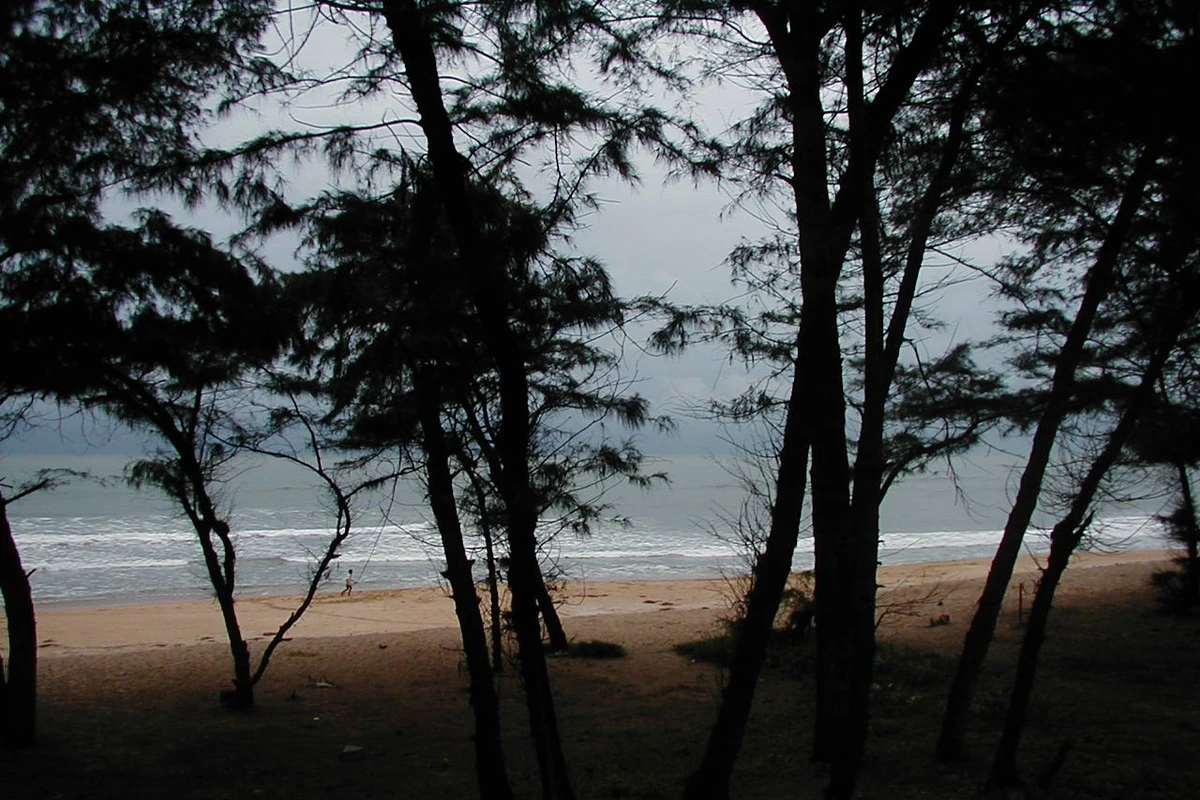
Galgibaga is 15 km south of Palolem and 8 km from the Karnataka border — far enough down the coast that most Goa itineraries do not reach it. The beach is 2 km of wide, clean sand on the Galgibaga river estuary, one of four designated Olive Ridley turtle nesting sites in Goa. The Forest Department maintains a nesting protection programme from October through February — sections of the beach are cordoned during nesting season and a permanent Forest Department post monitors activity. This protection status has kept large-scale commercial development away from the beach.
Reality check: Galgibaga is genuinely quiet — there are no beach shacks in the conventional Goa sense, no water sports, and limited accommodation nearby. The trade-off is that facilities are sparse: one or two small local eateries near the beach access road and basic guesthouse options in Galgibaga village. If you need a beach shack with a sun lounger and cold Kingfisher within arm's reach, this is not the beach.
Crowd pattern: Weekend visitors from Palolem and Canacona make Galgibaga a day-trip destination from October onwards, but numbers remain low — rarely more than 50 people on the beach at any time. Mornings are consistently quiet throughout the season. The nesting season (November–February) adds Forest Department rangers to the beach, which paradoxically enhances the sense of a protected, cared-for space.
Who it's for: Nature-focused travelers, couples who want a beach walk without infrastructure around them, and anyone interested in the turtle nesting programme (the Forest Department sometimes allows guided evening walks to observe nesting — ask at the Galgibaga post).
What makes it different: The active turtle nesting programme and Forest Department presence have functionally prevented the beach from being commercialised — it is the only Goa beach where conservation has won against development pressure so far.
Cost snapshot: No entry fee. Food from local village eateries Rs 100–250 per plate. Stay in Canacona (8 km) or Palolem (15 km) — no beach-facing accommodation at Galgibaga itself. Day trip transport from Palolem by scooter Rs 50–80 in fuel.
Where to stay: Palolem (15 km) is the practical base. For those who want to be closer, Rajbag Beach (3 km north of Galgibaga) has a Lalit Resort and basic guesthouses.
When to visit: Early morning between November and January to observe turtle tracks on the sand from overnight nesting activity. Arrive before the Forest Department's morning patrol (7–8 AM) and you may see fresh nesting evidence.
If quiet coastlines are what you seek, explore more options in our article on the top 10 hidden beaches in India.
Quick verdict: Worth it for nature-interested travelers and anyone wanting South Goa's furthest-from-the-crowd experience. Skip it if facilities matter — there are almost none.
| Factor | Details |
|---|---|
| Crowd Level | Low throughout the season |
| Best Time | November–February mornings (turtle nesting season) |
| Cost | Rs (day trip, minimal spend) |
| Stay Area | Palolem (15 km) or Rajbag (3 km) |
| Best For | Nature travelers, couples, turtle nesting visits |
Less Crowded Beaches in North Goa (Without Going Too Remote)
North Goa's reputation for crowds is earned — Baga, Calangute, and Anjuna collectively handle the majority of Goa's tourist footfall. But the northern fringe of North Goa, from Ashwem up to Keri near the Goa–Maharashtra border, is a different environment: wider beaches, fewer shacks, and a traveler demographic that skews toward longer stays rather than weekend trippers.
For those planning longer stays and interested in boutique guesthouses, delve into our comprehensive Ashwem Beach guide.
Ashwem Beach — North Goa's Best-Kept Functional Secret
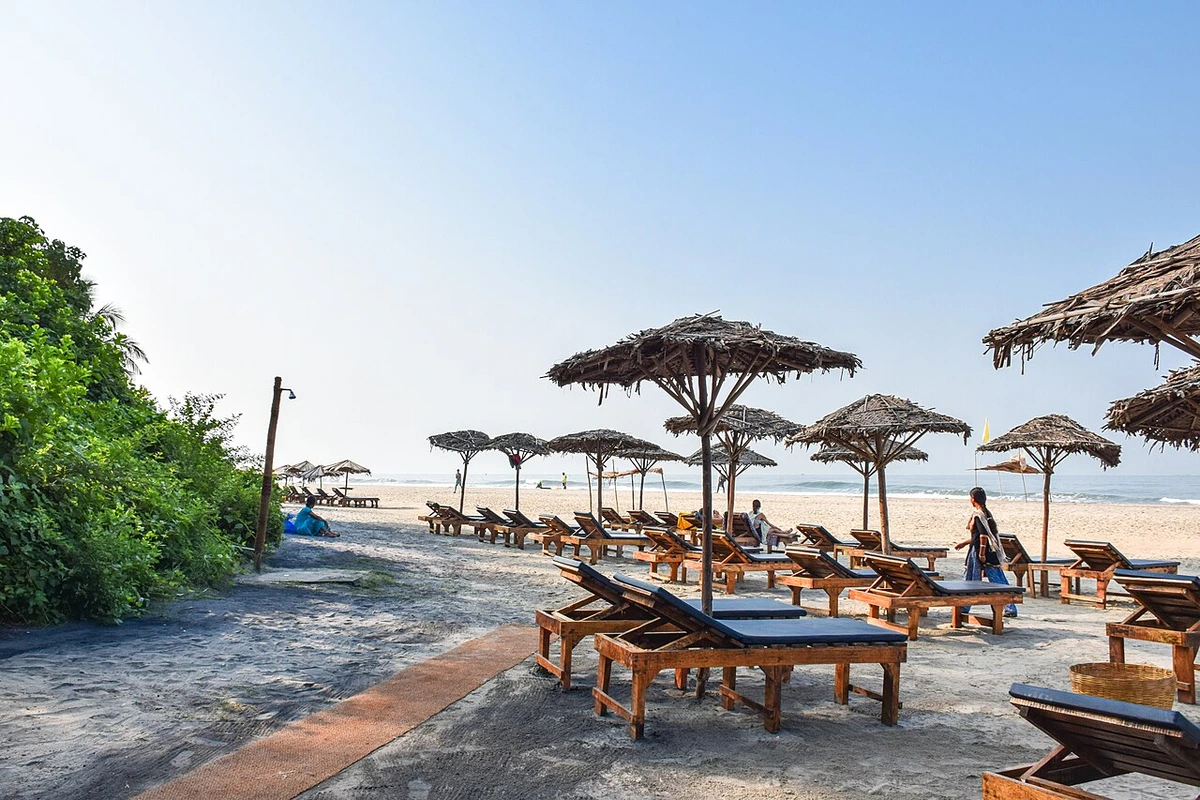
Ashwem sits between Mandrem and Morjim, 35 km north of Calangute — far enough to filter casual visitors but close enough to Mapusa (20 km) for supplies and connectivity. The beach is 2 km of firm sand with a river creek at the northern end where the Ashwem river meets the sea. The shack density is lower than any south-facing North Goa beach. The accommodation here has developed into a mid-range and boutique niche — the kind of small guesthouses and eco-cottages that attract longer-stay travelers and repeat visitors.
Reality check: Ashwem is not undiscovered. It has featured on enough "secret North Goa" lists that the secret is functionally over. What it retains is a lower commercial intensity than the main North Goa strip — fewer hawkers, fewer water sports operators, and a quieter beach road.
Crowd pattern: Weekends in December and January see a noticeable increase from Calangute overflow. Weekdays remain calm. The northern section near the creek is consistently less busy than the central beach area where the main shacks are located. March onwards, the beach thins out quickly as the season winds down.
Who it's for: Couples on longer Goa stays (5 nights plus), remote workers who want a functional North Goa base away from the main strip, and yoga and wellness retreat attendees — several retreats operate in the Ashwem–Mandrem belt.
What makes it different: The river creek at the northern end creates a distinct landscape — the beach, the creek, and the Arabian Sea meet within 200 metres of each other, giving the northern tip of Ashwem a visual character that flat, uniform beaches like Calangute lack.
Cost snapshot: Mid-range guesthouses and eco-cottages Rs 2,000–5,000 per night. Budget options in the Ashwem village Rs 1,000–1,800. Meals at the beach shacks Rs 250–600. A full day at Ashwem runs Rs 1,500–3,500 per person for accommodation and food.
Where to stay: The Ashwem–Mandrem road has the best concentration of boutique guesthouses — La Plage Beach Resort (beachfront, mid-range), Yab Yum Eco Resort, and Elsewhere are frequently cited. Mandrem village (2 km south) has cheaper guesthouse options.
When to visit: November for the best balance of season-opening freshness and manageable crowds. Avoid the Christmas–New Year window specifically — Ashwem absorbs overflow from the main beaches during this period.
Quick verdict: Worth it for couples and longer-stay travelers who want North Goa access without North Goa crowds. Skip it if you are on a 2-night trip — the distance from Calangute's facilities is a trade-off that does not pay off on a short stay.
| Factor | Details |
|---|---|
| Crowd Level | Low–Moderate (higher Dec–Jan weekends) |
| Best Time | November and February–March |
| Cost | Rs Rs–Rs Rs Rs (mid-range guesthouses Rs 2,000–5,000) |
| Stay Area | Ashwem–Mandrem road boutique guesthouses |
| Best For | Couples, longer stays, yoga retreats |
Keri (Querim) Beach — North Goa's Furthest and Emptiest
If the ferry crossing and fort combination interests you, find everything you need in our complete Keri Beach guide.
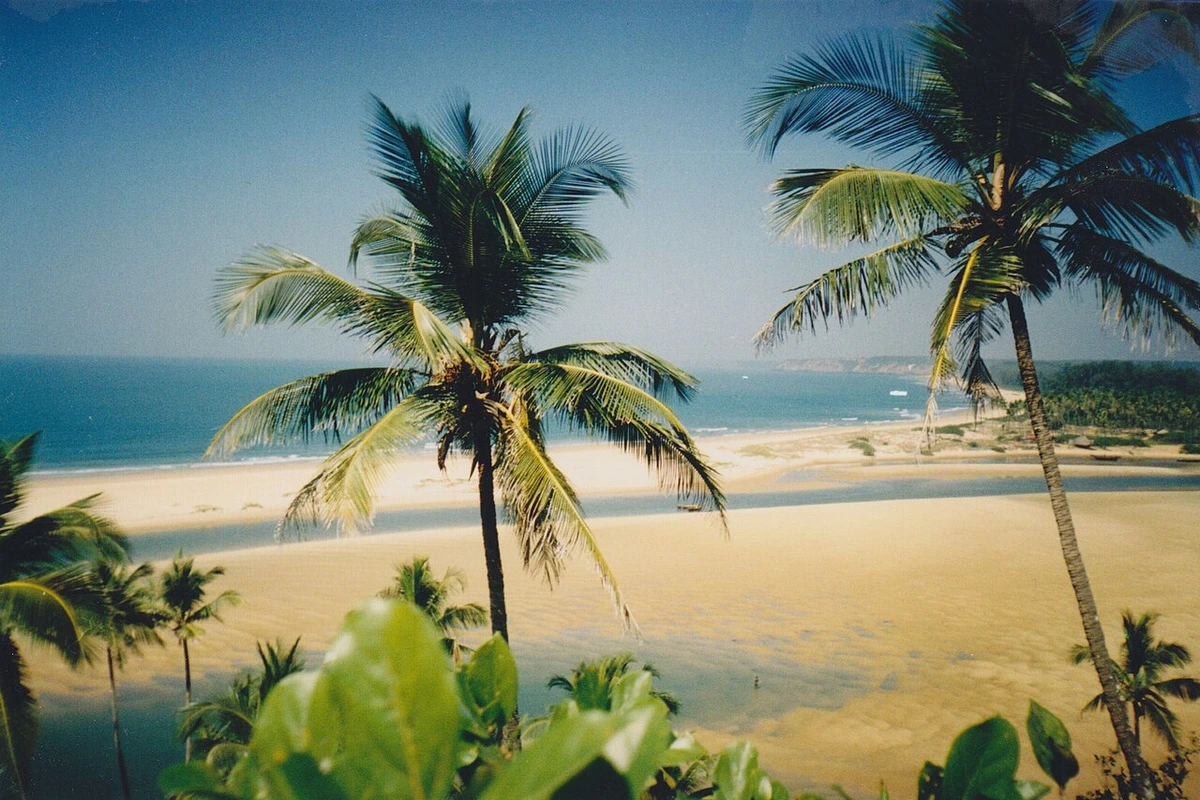
Keri Beach (officially Querim, pronounced Keri) is at the northernmost tip of Goa, where the Tiracol river estuary meets the sea before the Goa–Maharashtra border. Reaching it requires a 5-minute free government ferry across the Tiracol river from Querim village — a crossing that eliminates most casual day-trippers who are not specifically seeking this beach. On the far bank, a 4 km stretch of beach backed by casuarina forest runs to the river mouth, with the Tiracol Fort perched on the headland above the estuary. Total infrastructure: two seasonal shacks, one government ferry, and the fort.
Reality check: Keri is Goa's emptiest accessible beach — not because it is physically remote but because the ferry crossing and the distance from any major tourist base (40 km from Calangute) act as a multi-layer filter. On a January weekday, 20 people on the entire beach is a realistic expectation.
Crowd pattern: Even peak season (December–January) weekends see Keri with fewer than 100 people spread across 4 km. The ferry runs until 6 PM — this naturally empties the beach before dark. Monsoon closes the shacks but the beach and ferry remain operational.
Who it's for: Solo travelers who genuinely want to be alone on a beach, couples who have done the standard Goa itinerary and want something completely different on a return visit, and anyone who wants to combine a beach day with a fort visit.
What makes it different: The Tiracol Fort (17th-century Portuguese fort converted to a Heritage Hotel by GTDC) on the headland above the river mouth is the visual anchor — a fort overlooking an estuary and sea simultaneously, accessible from the beach by a 15-minute uphill walk. It is the most visually dramatic setting of any beach on this list.
Cost snapshot: Ferry is free. No entry fee to the beach. The two seasonal shacks charge standard Goa rates (Rs 200–500 per meal). The GTDC Tiracol Fort Heritage Hotel is the only stay option in the immediate area — Rs 3,500–6,000 per night for a room inside the fort walls. Alternatively, base in Arambol (15 km south) or Ashwem (25 km south) and do a day trip.
Where to stay: GTDC Fort Tiracol Heritage Hotel for the experience of staying inside a Portuguese fort — book at goa-tourism.com. Arambol village (15 km south of the ferry) has budget guesthouses from Rs 700–1,500 per night and makes a practical day-trip base for Keri.
When to visit: Any weekday from October to March. The ferry runs from 6:30 AM — arriving on the first or second crossing gives you 2–3 hours of genuine solitude before any other visitors arrive.
Quick verdict: Worth it for anyone on a return Goa trip who has already done the standard circuit. The ferry crossing, the empty beach, and the fort together make it the most distinctive half-day in North Goa. Skip it if you are on a first Goa trip — the infrastructure scarcity is a feature for experienced travelers but frustrating for first-timers.
| Factor | Details |
|---|---|
| Crowd Level | Very Low (the lowest on this list) |
| Best Time | Any weekday, October–March, first ferry crossing |
| Cost | Rs (free ferry, minimal spend, fort hotel Rs 3,500–6,000) |
| Stay Area | GTDC Tiracol Fort Hotel or Arambol (15 km) |
| Best For | Solo travelers, return Goa visitors, fort + beach combination |
Full Comparison — All 7 Beaches at a Glance
| Beach | Region | Crowd Level | Best For | Budget (Day) | Access |
|---|---|---|---|---|---|
| Cola Beach | South Goa | Low | Couples, overnight | Rs Rs Rs | Rough track, walk |
| Agonda Beach | South Goa | Low–Moderate | Couples, solo | Rs Rs | Easy road access |
| Palolem Beach | South Goa | Moderate–High | First-timers, huts | Rs Rs–Rs Rs Rs | Easy road access |
| Butterfly Beach | South Goa | Low | Half-day trip | Rs | Boat only |
| Galgibaga Beach | South Goa | Very Low | Nature, turtles | Rs | Easy road access |
| Ashwem Beach | North Goa | Low–Moderate | Longer stays | Rs Rs–Rs Rs Rs | Road access |
| Keri Beach | North Goa | Very Low | Solo, return visitors | Rs–Rs Rs Rs | Ferry crossing |
When to Visit Goa for Uncrowded Beaches — The Honest Seasonal Guide
October is the single best month for all seven beaches on this list. The season is just opening, shacks are setting up, accommodation has availability, and prices are 30–40% below December rates. The sea is calming down from monsoon, water clarity is improving, and daytime temperatures are 28–32°C. The downside is that some operators are still getting organised and a few shacks may not be fully open in early October.
November is the peak sweet spot before peak season — fully operational, good weather, manageable crowds. Prices start rising from mid-November.
December 20–January 5 is when every beach on this list reaches its maximum crowd level of the year. Still worth visiting but requires weekday planning, early morning starts, and accommodation booked 6–8 weeks in advance.
February is underrated — crowds drop after New Year, prices ease, and the weather remains ideal (26–30°C, dry). The second-best month after October for the beaches on this list.
March is the last comfortable month. Heat builds from April and the beach experience deteriorates by May.
June–September — Goa monsoon. Beach shacks close. Seas are rough and swimming is unsafe at most beaches. Cola's access track becomes impassable. Butterfly Beach boat services stop. Keri and Galgibaga remain accessible but offer no facilities. Not the right season for any beach on this list.
Planning One of These Trips?
BestNear has complete destination guides for many of the places covered in this blog — with honest assessments, real budget breakdowns, day-by-day itineraries, and safety information:
If your next trip takes you to the hills, use our Lonavala travel guide to find scenic spots, or check out our Dhuandhar Falls travel guide to experience central India. For island hop planning, don't miss our detailed Andaman Nicobar 3-day itinerary.