12 Indian Destinations Cheaper Than Abroad in 2026 (Actual INR Cost Comparisons)

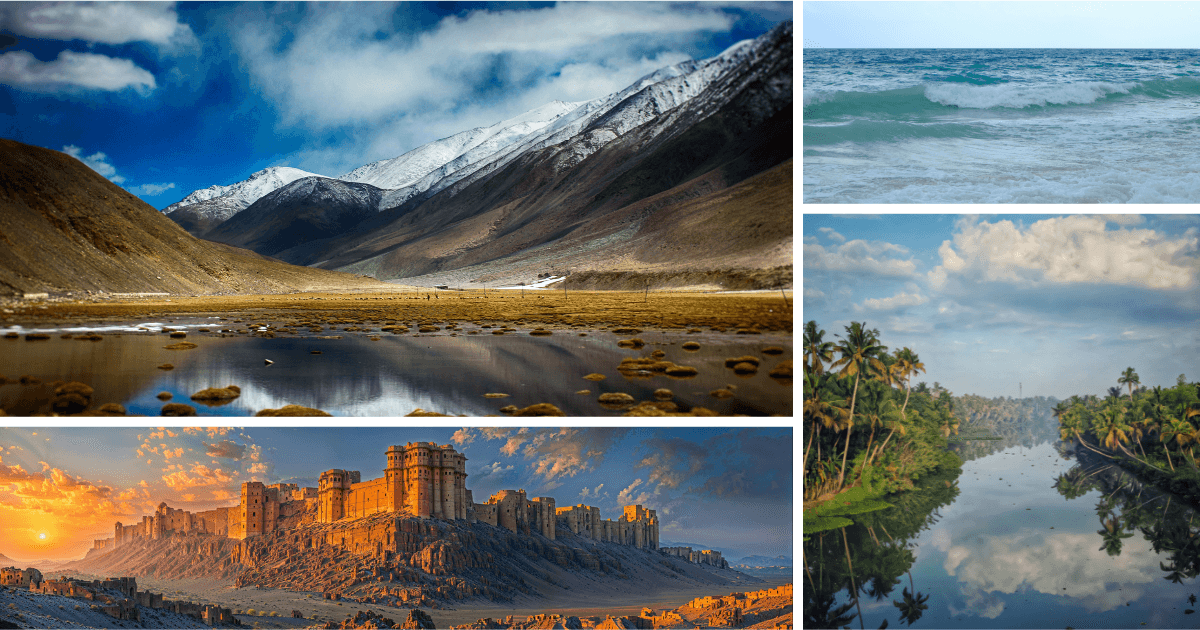
⛅ August 2026 Update — The Domestic Travel Case Has Never Been Stronger
Updated fourth week of August 2026.
If you are on the fence about your next holiday, the situation in August 2026 has made the domestic argument even more compelling than it was when we first published this guide in March.
- International Flight Costs: Dubai and Bangkok fares from major Indian metros have surged a further 15-20% since June due to fuel price adjustments. A return flight to Bangkok for two now costs nearly what a complete 5-night Andaman package does.
- The Monsoon Domestic Advantage: Right now, Coorg, Meghalaya, and Kerala's hill stations are at their absolute scenic peak and are significantly cheaper than peak season. Many premium jungle resorts in Coorg are offering off-season rates that are less than half of their December pricing.
- New Direct Flights in 2026: IndiGo and Air India have added new direct routes to Shillong (from Delhi and Mumbai) and Dibrugarh, making Northeast India more accessible than ever without costly connections.
Our August 2026 Perspective: The financial case for domestic travel has never been more clear-cut. This guide's cost comparisons have only gotten more accurate — the gap between international and domestic costs has widened, not narrowed.
Why 2026 is the Year of the Domestic Gem
Indian families choosing domestic holidays over international travel in 2026 are not doing it out of sentiment — they are doing it because international flights from India cost 30–40% more than they did two years ago, Gulf route disruptions are adding cancellation risk to Dubai and Europe connections, and the rupee has made forex-heavy trips significantly more expensive. A family of four that spent Rs 1.5 lakh on Bali in 2023 is looking at Rs 1.9–2.1 lakh for the same trip in 2026. Against that backdrop, Andaman at Rs 45,000 for four people, Ladakh at Rs 35,000 for a couple, and Rajasthan at Rs 60,000 for a family circuit are not compromise choices — they are financially rational ones. This guide maps 12 domestic destinations by traveler type, with honest savings comparisons, 2026-specific booking advice, and the one thing each destination offers that no international equivalent can match.
The Why: What Changed in 2026
International Travel Got Significantly More Expensive — and Uncertain
International flight costs from India have risen 30–40% in early 2026, driven primarily by airspace disruptions affecting Gulf routes. Flights to Dubai, Abu Dhabi, and Muscat — which serve as connection hubs for European, African, and North American routes — have seen both price increases and schedule volatility. Families planning trips around school holidays or fixed leave windows cannot absorb 48-hour reroutes or last-minute cancellations the way business travelers can.
Gulf route cancellations have also affected NRI families planning visits to India. The ripple effect has been families on both ends reconsidering travel plans, consolidating trips, or shifting to destinations that don't involve Gulf transit.
Meanwhile, the rupee's performance against the dollar and euro has made international trips measurably more expensive. A family of four that budgeted Rs 1.5 lakh for a Bali trip in 2023 is looking at Rs 1.9–2.1 lakh for the same trip in 2026. That gap, compounded over a family holiday, is enough to change the decision.
The Post-Covid Domestic Rediscovery Held
The more durable shift is behavioral. Indian travelers who discovered Coorg, Andaman, Spiti, and Meghalaya during the Covid travel restrictions of 2020–2022 did not fully revert to international-first thinking when borders reopened. Domestic travel matured during this period — accommodation quality improved, travel content became more specific and useful, and travelers developed a more accurate understanding of what India's landscape actually offers.
The result is that 2026's international price shock is landing on a traveler base that already has domestic alternatives in mind.
The Comparison That Settles It
| Factor | International Trip | Domestic Trip |
|---|---|---|
| Average family budget (4 people) | Rs 2,00,000–5,00,000 | Rs 30,000–80,000 |
| Flight uncertainty (2026) | High | Low |
| Visa requirements | Yes (most countries) | None |
| Language barrier | Often | Rarely |
| Medical comfort | Lower | Higher |
| Hidden costs | High (forex, roaming, tips) | Low |
| Travel insurance complexity | High | Low |
The 12 Destinations Seeing a Surge in 2026
For Families Replacing a Dubai or Singapore Trip
1. Andaman & Nicobar Islands
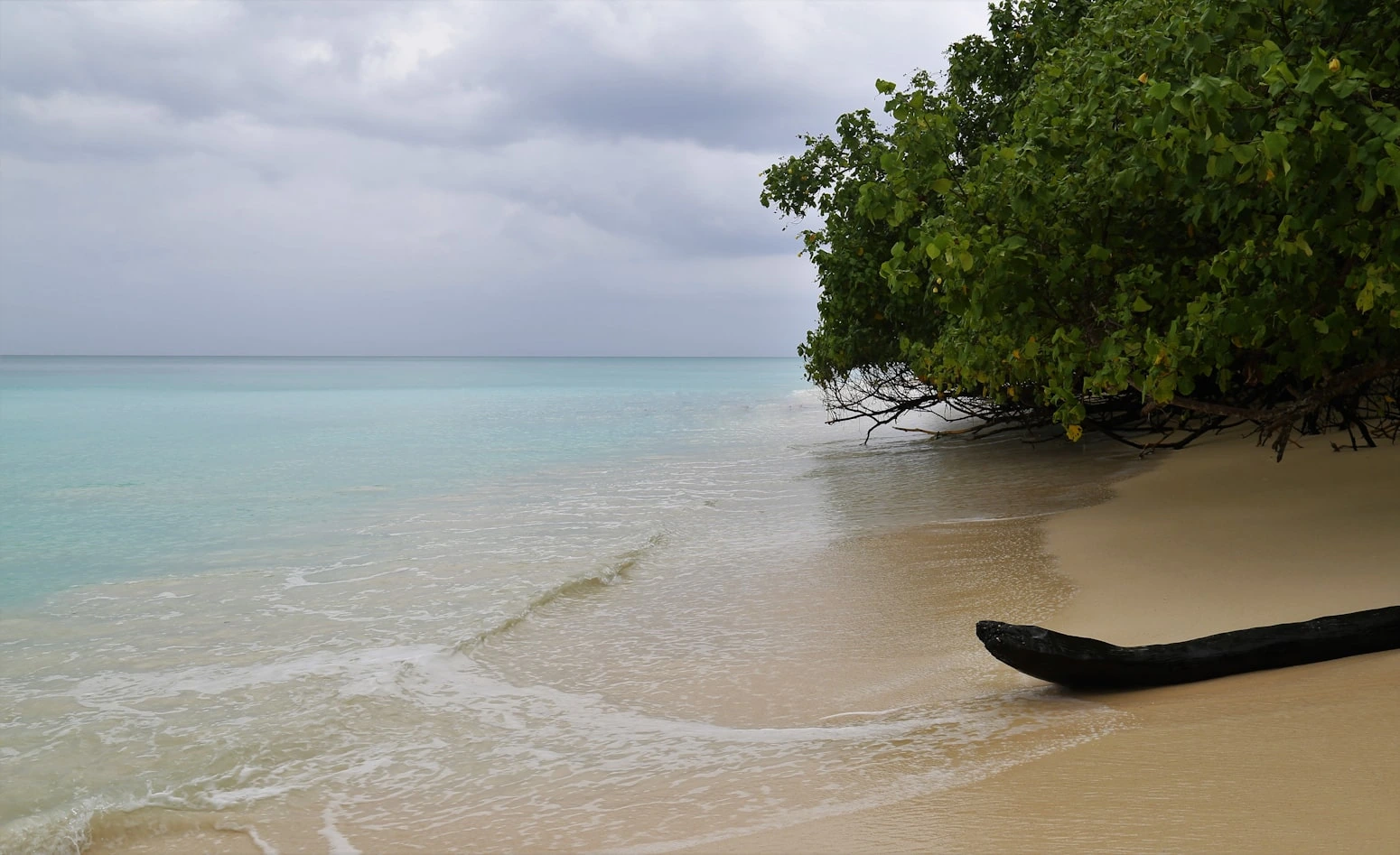
Replacing: Dubai beach resorts, Singapore family packages
If you want to know which beaches rival those abroad, explore our complete list of Andaman & Nicobar Islands beaches.
Why it works: The Andamans deliver tropical beach quality that is genuinely comparable to Southeast Asia — white sand, clear turquoise water, coral reefs, and forest cover that most Thai or Bali beaches lost to overdevelopment decades ago. Radhanagar Beach on Havelock Island (Swaraj Dweep) has water visibility of 10–15 metres and a 2 km beach with no commercial development directly on the sand. The Cellular Jail in Port Blair adds a historical dimension unavailable on any international beach trip.
Unique thing unavailable internationally: A functioning colonial-era penal colony turned national memorial — the Cellular Jail Sound and Light Show covers India's independence movement in a setting that carries the actual weight of the events described.
Approximate budget (family of 4, 5 nights): Rs 80,000–1,30,000 including flights from Chennai or Kolkata. Rs 1,20,000–1,80,000 from Delhi or Mumbai.
Best time in 2026: November to April. Book ferry tickets to Havelock at least 3–4 weeks in advance — demand is higher than previous years.
2. Kerala Backwaters
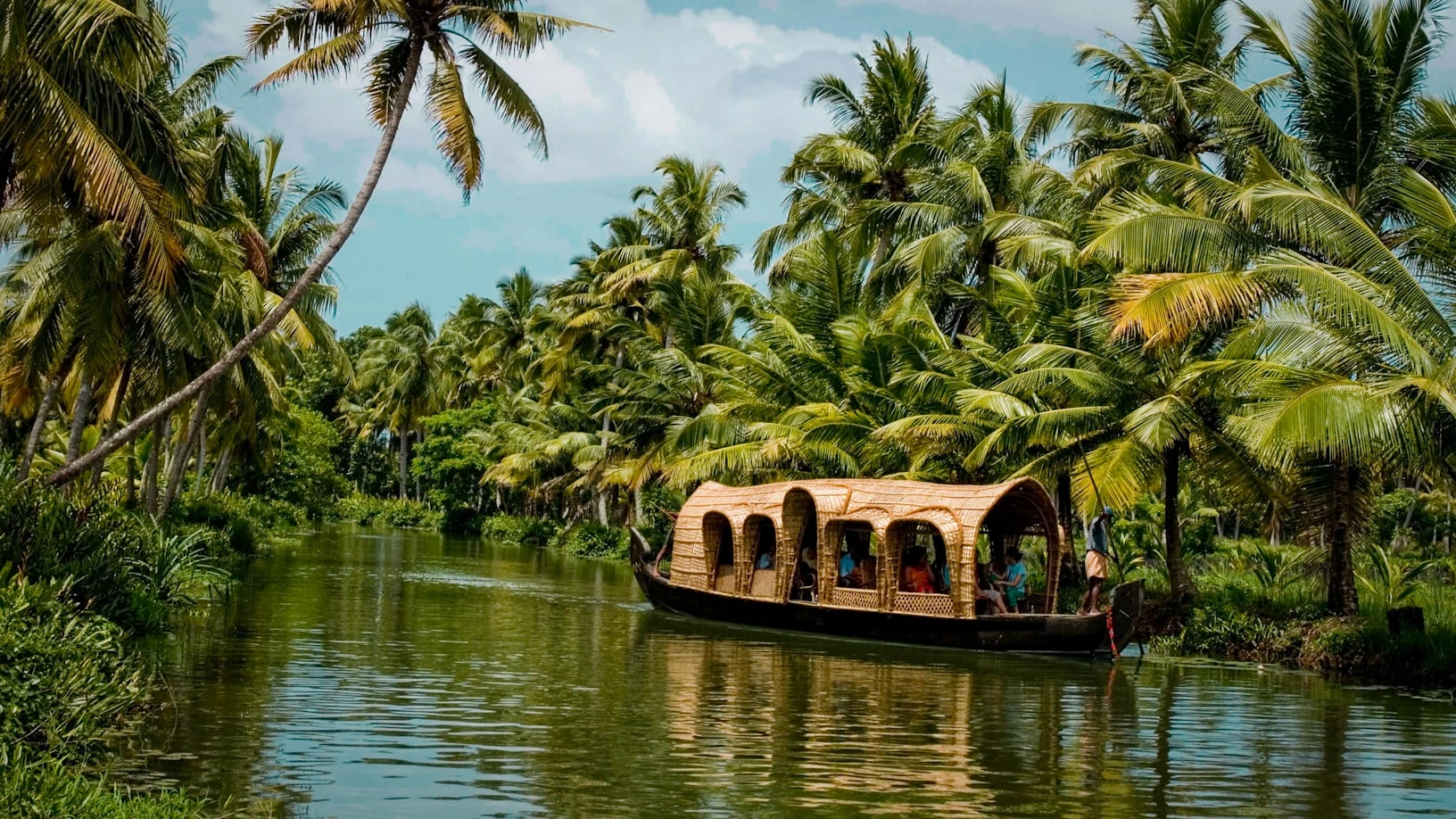
Replacing: River cruise packages in Southeast Asia, Thailand river resorts For an active way to explore the canals, read our detailed guide to Kerala backwaters kayaking.
Why it works: The Kerala backwater network — 1,500 km of interconnected lakes, canals, and rivers running parallel to the Arabian Sea coast — is genuinely unique. A houseboat stay on Vembanad Lake near Alleppey (Alappuzha) puts a family on the water for 24 hours, moving through rice paddy-lined canals and open lake sections. Nothing internationally available at the same price point replicates this.
Unique thing unavailable internationally: The traditional kettuvallam houseboat — a converted rice barge with thatched rooms, a kitchen serving fresh Kerala meals, and no engine noise after 9 PM (regulations prohibit night movement).
Approximate budget (family of 4, 4 nights — Kochi + houseboat + Munnar): Rs 55,000–90,000 including flights from major cities.
Best time in 2026: October to March for backwaters. Munnar (hill station add-on, 130 km from Kochi) is best September to May.
3. Coorg, Karnataka
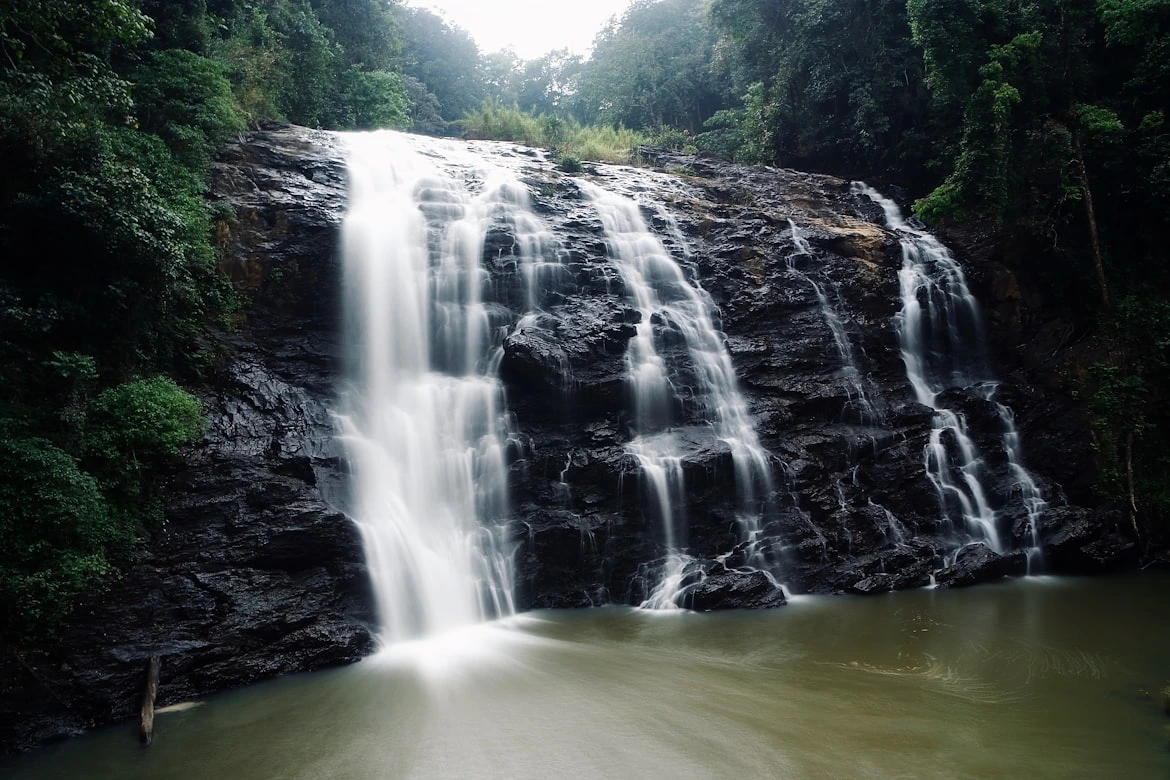
Replacing: Short Singapore or Kuala Lumpur getaways, hill resort packages
To understand why it is called the Scotland of India, delve into our comprehensive Coorg hill station details.
Why it works: Coorg (Kodagu district) is 260 km from Bangalore — a 5-hour drive through the Western Ghats. The district is India's largest coffee-producing region, and estate stays that include plantation walks, coffee processing demos, and local Kodava cuisine are available from Rs 4,000–12,000 per night for a family room. The landscape — forested hills, mist, Abbey Falls, and the Dubare Elephant Camp on the Kaveri river — keeps mixed-age families occupied without requiring long internal travel.
Unique thing unavailable internationally: Kodava cuisine — pandi curry (pork), koli curry (chicken), and akki roti made from rice flour, served in homestays using recipes that have not been commercialized.
Approximate budget (family of 4, 3 nights): Rs 25,000–45,000 including road travel from Bangalore.
Best time in 2026: October to March. Avoid June–August when the Ghats receive heavy rainfall.
For Couples Replacing a Maldives or Bali Trip
4. Lakshadweep
Replacing: Maldives
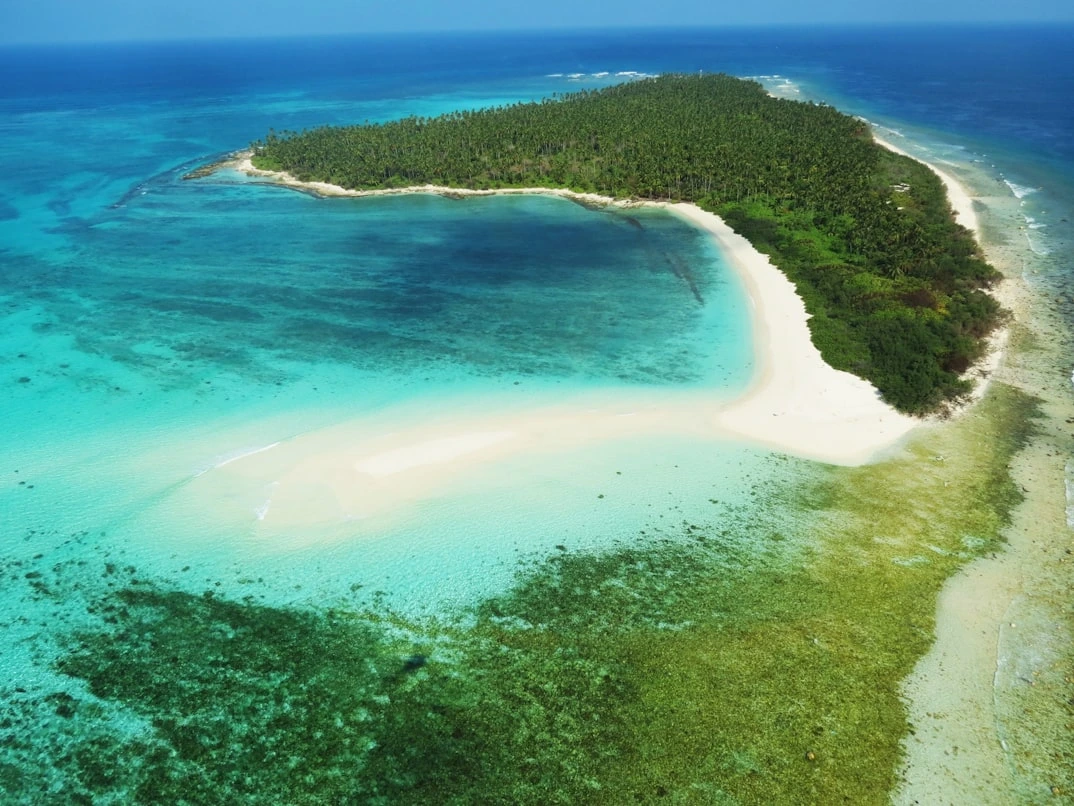
Why it works: Lakshadweep is India's coral atoll territory in the Arabian Sea — 36 islands, of which 10 are inhabited and a smaller number open to tourists. The water clarity, coral reef quality, and lagoon character of islands like Agatti and Bangaram are genuinely Maldives-comparable. The difference is scale and accessibility — fewer resorts, more regulated tourism, and a permit system that keeps visitor numbers low.
Unique thing unavailable internationally: The only coral atoll territory under Indian jurisdiction — no visa, rupee pricing, and air connectivity from Kochi (1.5 hours) that makes it the most accessible atoll destination for Indian travelers.
Approximate budget (couple, 4 nights, Agatti or Bangaram): Rs 50,000–90,000 including flights from Kochi. SPORTS (Society for Promotion of Nature Tourism and Sports) packages from Kochi start at Rs 30,000 per person all-inclusive.
Best time in 2026: October to mid-May. Ferry and flight services suspend during monsoon.
5. Pondicherry
Replacing: Bali's Seminyak, European city breaks
Before walking the promenade, check out our honest Puducherry beach details for the best spots to visit.
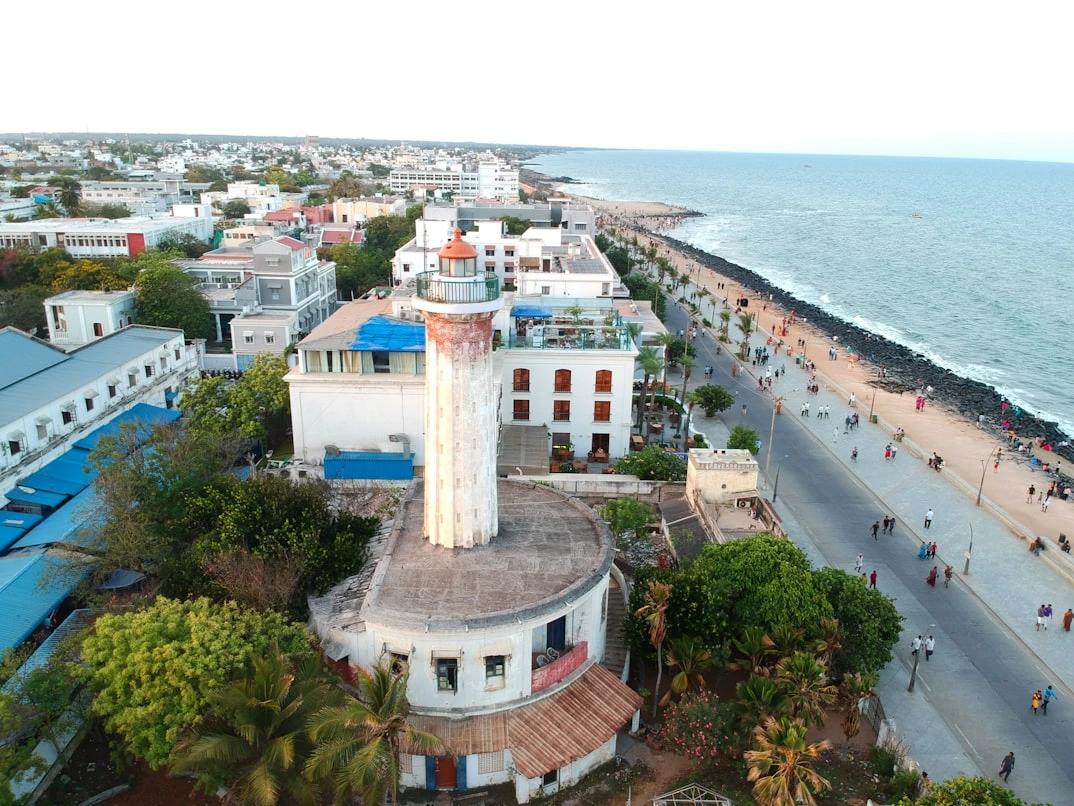
Why it works: Pondicherry's French Quarter (White Town) is 2 sq km of intact 18th–19th century French colonial architecture on a grid of tree-lined streets — yellow and white facades, French consulate, Alliance Française, and beach-facing promenade. The food options (French bakeries, Tamil cuisine, seafood restaurants) and café culture are more diverse than most Indian cities. Auroville, 12 km from Pondicherry, is a planned international township with its own character and visitor access.
Unique thing unavailable internationally: The functioning French Quarter maintained under a bilateral arrangement — tricolor flags on colonial buildings, French street names, and a Lycée (French school) operating alongside Tamil-medium schools.
Approximate budget (couple, 3 nights): Rs 15,000–30,000 including road or train travel from Chennai (160 km).
Best time in 2026: November to February. October is the northeast monsoon — Pondicherry receives significant rainfall.
6. Uttarakhand — Chopta, Auli, Munsiyari
Replacing: Nepal mountain packages, Switzerland for couples
If Uttarakhand's peaks look appealing, you might also want to review our extensive guide to the top hill stations in India for more alpine options.
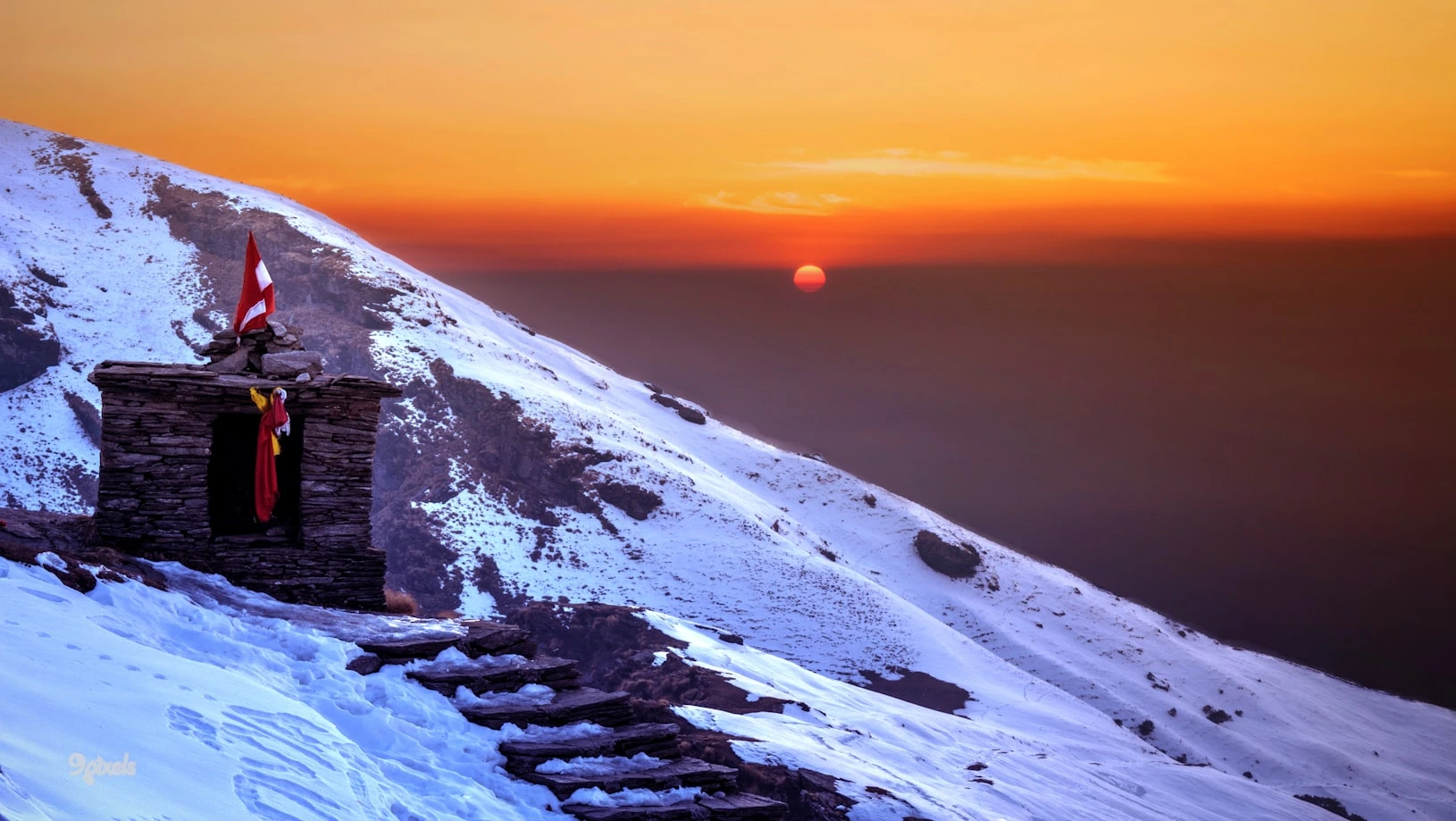
Why it works: The three destinations serve different purposes. Chopta (2,680 m) is a meadow base for the Tungnath–Chandrashila trek — 4,130 metres, views of Nanda Devi, Chaukhamba, and Kedarnath massif. Auli (2,519 m) has a 4 km gondola, ski slopes from January–March, and direct Nanda Devi views from the meadow. Munsiyari (2,298 m) in the Kumaon Himalaya is the least visited of the three — a ridge town facing the Panchchuli range with trekking routes into the Milam and Ralam glaciers.
Unique thing unavailable internationally: The Tungnath temple at 3,680 m — the world's highest Shiva temple, reachable on a half-day trek, combining high-altitude Himalayan landscape with active religious heritage.
Approximate budget (couple, 4 nights, Chopta + Auli): Rs 18,000–32,000 including road travel from Haridwar or Rishikesh.
Best time in 2026: May–June (trekking), January–March (Auli skiing), October (post-monsoon clarity).
For Adventure Seekers Replacing a Nepal or Thailand Trip
7. Spiti Valley, Himachal Pradesh
Replacing: Nepal Annapurna circuit, Tibetan plateau trips
For essential high-altitude acclimatization tips, read our thorough Spiti Valley travel guide.
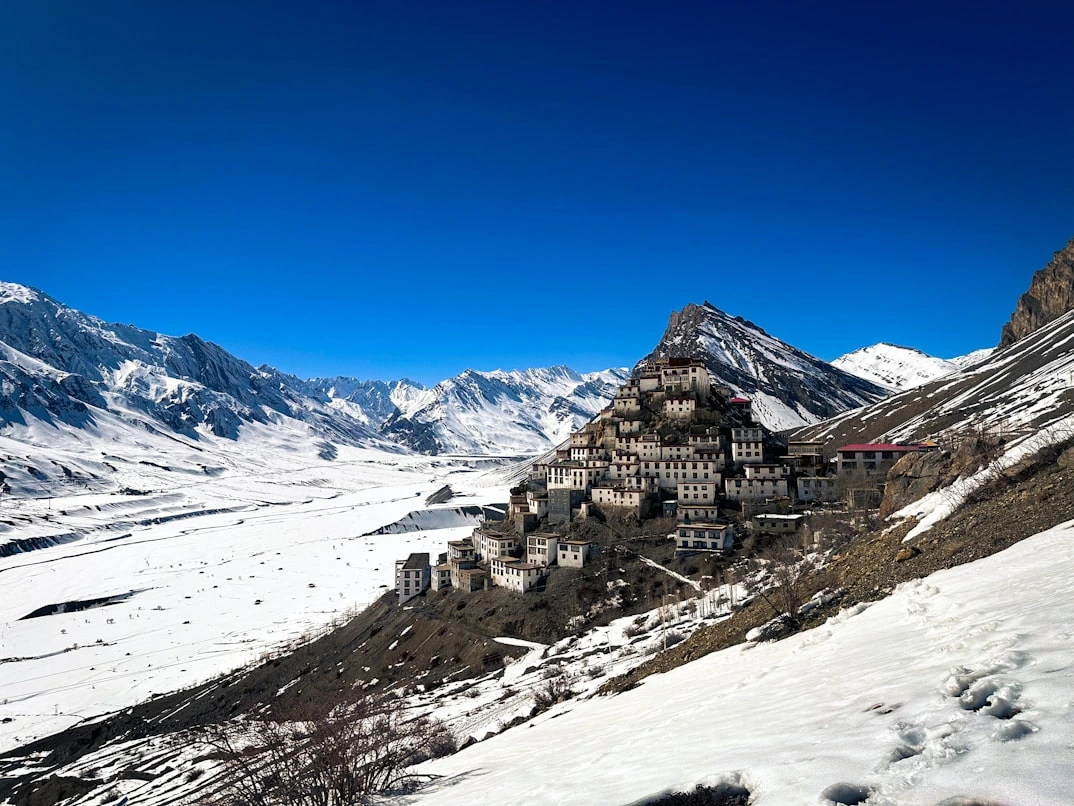
Why it works: Spiti is a high-altitude cold desert at 3,800–4,500 metres in the Trans-Himalayan zone. The landscape — barren brown mountains, ancient Buddhist monasteries on cliff edges, turquoise rivers, and villages at altitudes where trees cannot grow — is genuinely world-class. Key monastery stops include Key Gompa (4,166 m), Dhankar Gompa (3,894 m), and Tabo Monastery (3,050 m, one of the oldest continuously functioning monasteries in the Himalayas, founded 996 CE). The road from Manali (Rohtang Pass route) opens around late May–June.
Unique thing unavailable internationally: The Tabo Monastery's 1,000-year-old clay sculptures and murals in a functioning religious community — a level of Buddhist heritage that rivals Lhasa without requiring a Chinese permit.
Approximate budget (family of 4, 6 nights, self-drive): Rs 40,000–65,000 excluding vehicle costs.
Best time in 2026: June to October. The Shimla–Kinnaur–Spiti route via Nako is open longer than the Manali route.
8. Meghalaya
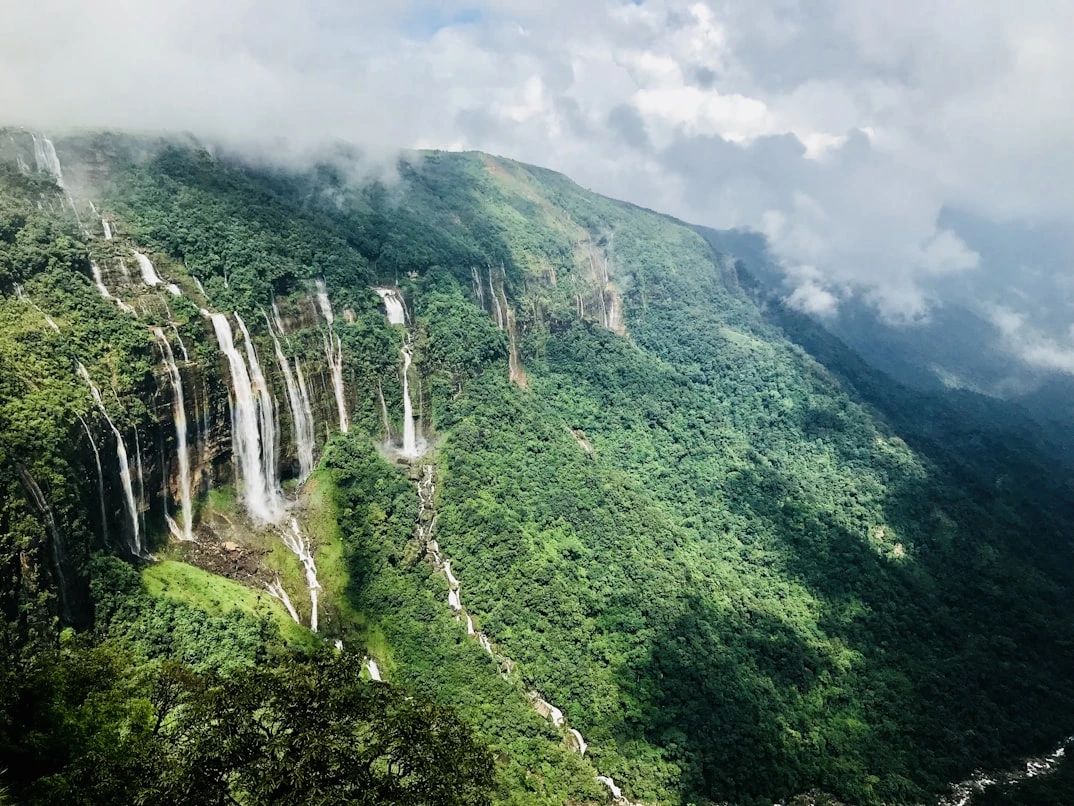
Replacing: Thailand adventure trips, Sri Lanka nature tours
To plan your trek to the living root bridges successfully, consult our complete guide to Cherrapunji - the wettest place on earth.
Why it works: Meghalaya is the wettest state in India and uses that distinction productively. Mawsynram and Cherrapunji receive 11,000–12,000 mm of annual rainfall. The living root bridges near Cherrapunji — grown over 15–25 years by Khasi communities training Ficus elastica roots across rivers — are a functional, living engineering system not replicated anywhere else in the world. The Umngot river at Dawki (border with Bangladesh) has the clearest river water in Asia — boats appear to float on air in the transparent green water during November to April.
Unique thing unavailable internationally: Double-decker living root bridges at Nongriat — a 3,000-step descent from Tyrna village, requiring 2–3 hours each way, with swimming holes at the base.
Approximate budget (family of 4, 5 nights): Rs 35,000–60,000 including flights to Guwahati and road transfer to Shillong.
Best time in 2026: October to April for clear rivers. June–September for the full monsoon landscape (heavy rain, all waterfalls active — for travelers who are comfortable with wet conditions).
9. Ladakh
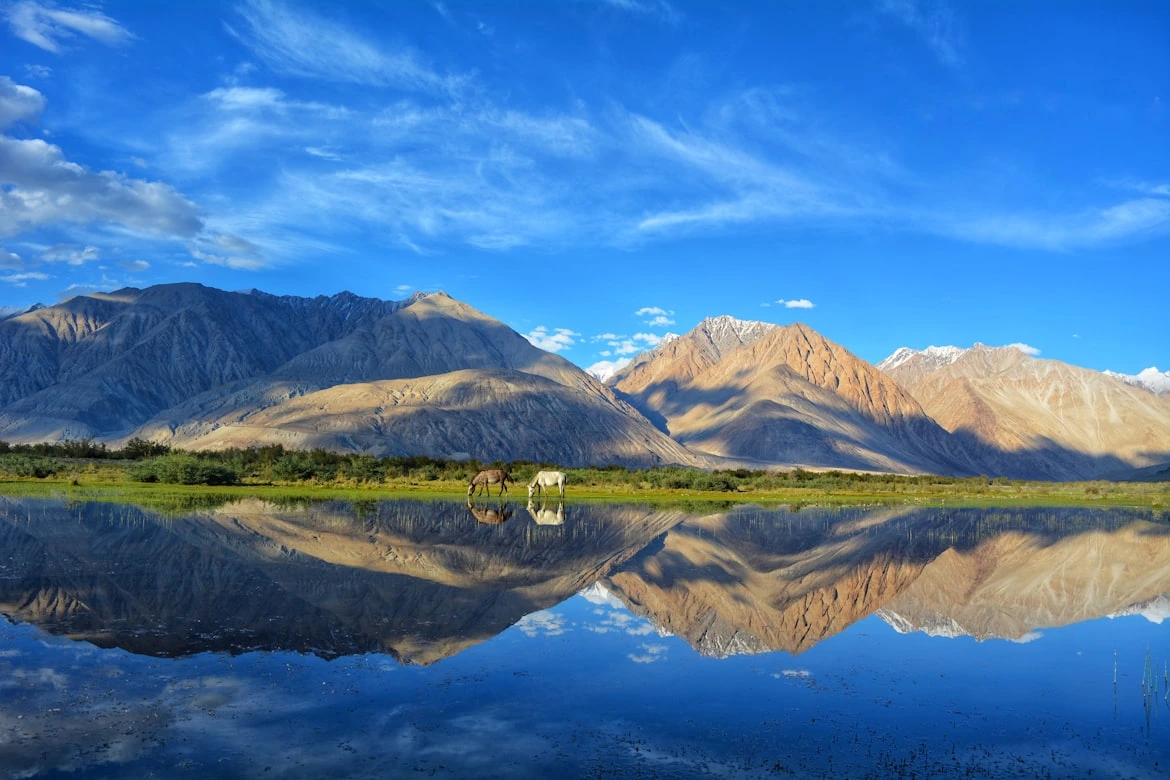
Replacing: Mongolia, Iceland, or high-altitude international destinations
For those planning a high-altitude road trip, find the best monastic and cultural spots in our list of Ladakh hill stations.
Why it works: Ladakh at 3,500–5,300 metres delivers a cold desert landscape — Pangong Tso lake changing colour from blue to green to turquoise across its 134 km length, Nubra Valley's double-humped Bactrian camels on sand dunes at 3,000 m, and monasteries like Thiksey and Diskit that have been active since the 14th century. The Srinagar–Leh highway opens by late May 2026. Manali–Leh highway typically opens mid-June.
Unique thing unavailable internationally: Pangong Tso — a 134 km saltwater lake at 4,350 metres straddling India and China, with colours and mountain reflections that change by the hour.
Approximate budget (family of 4, 6 nights): Rs 45,000–80,000 including flights to Leh from Delhi (1.5 hours).
Best time in 2026: June to September. Acclimatize for 24–48 hours in Leh before any high-altitude excursions.
For Large Groups or Multi-Generation Families Replacing a Europe Trip
10. Rajasthan Circuit
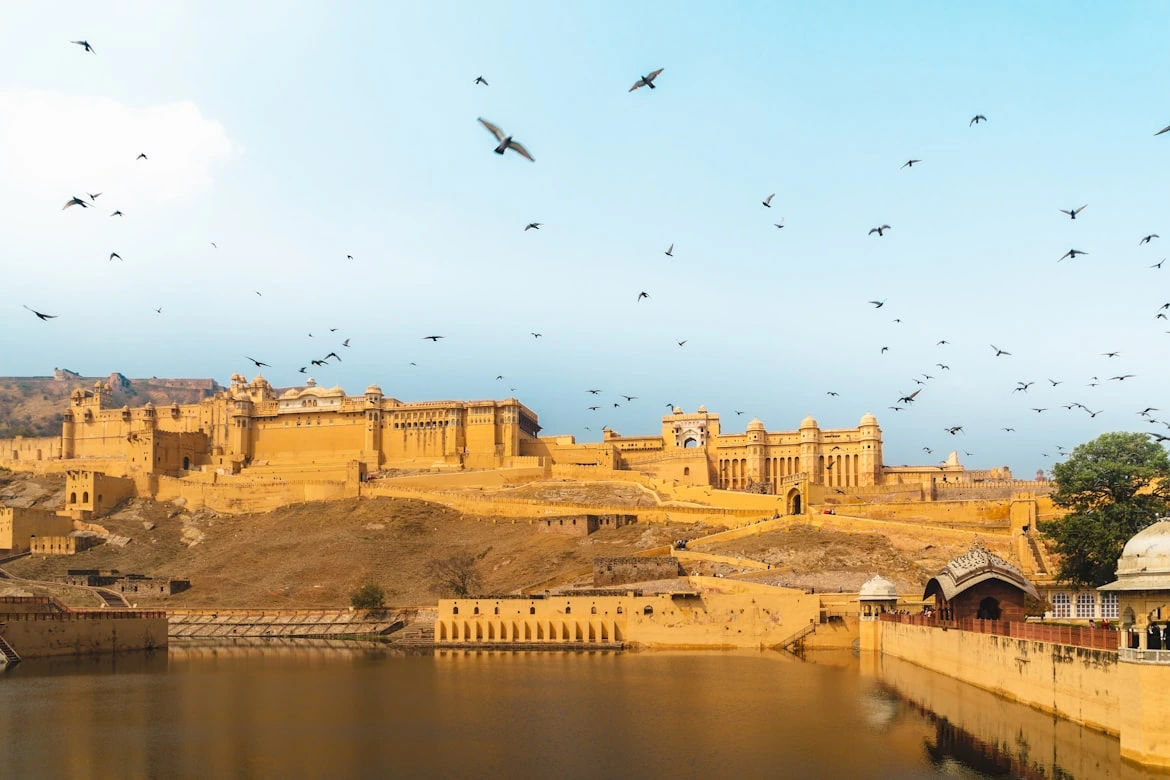
Replacing: European heritage city circuits (Rome, Prague, Vienna)
Why it works: A Jaipur–Jodhpur–Udaipur–Jaisalmer circuit covers 1,000 km of Rajasthan's desert heritage in 8–10 days. The density of UNESCO-listed and architecturally significant sites — Amber Fort, Mehrangarh, City Palace Udaipur, Jaisalmer's sandstone fort — is comparable to European heritage circuits at a fraction of the cost. Luxury heritage hotels (converted havelis and palace hotels) are available from Rs 5,000–15,000 per room per night at properties that would cost 3–5x internationally.
Unique thing unavailable internationally: Jaisalmer Fort — a living fort where 3,000 residents continue to live inside the sandstone ramparts built in 1156 CE, with functional shops, restaurants, and havelis within the fort walls.
Approximate budget (family of 4, 8 nights): Rs 60,000–1,20,000 including train travel between cities and mid-range accommodation.
Best time in 2026: October to March. April–June is extreme heat (42–48°C in Jaisalmer).
11. Himachal Pradesh — Manali, Kasol, Dharamsala
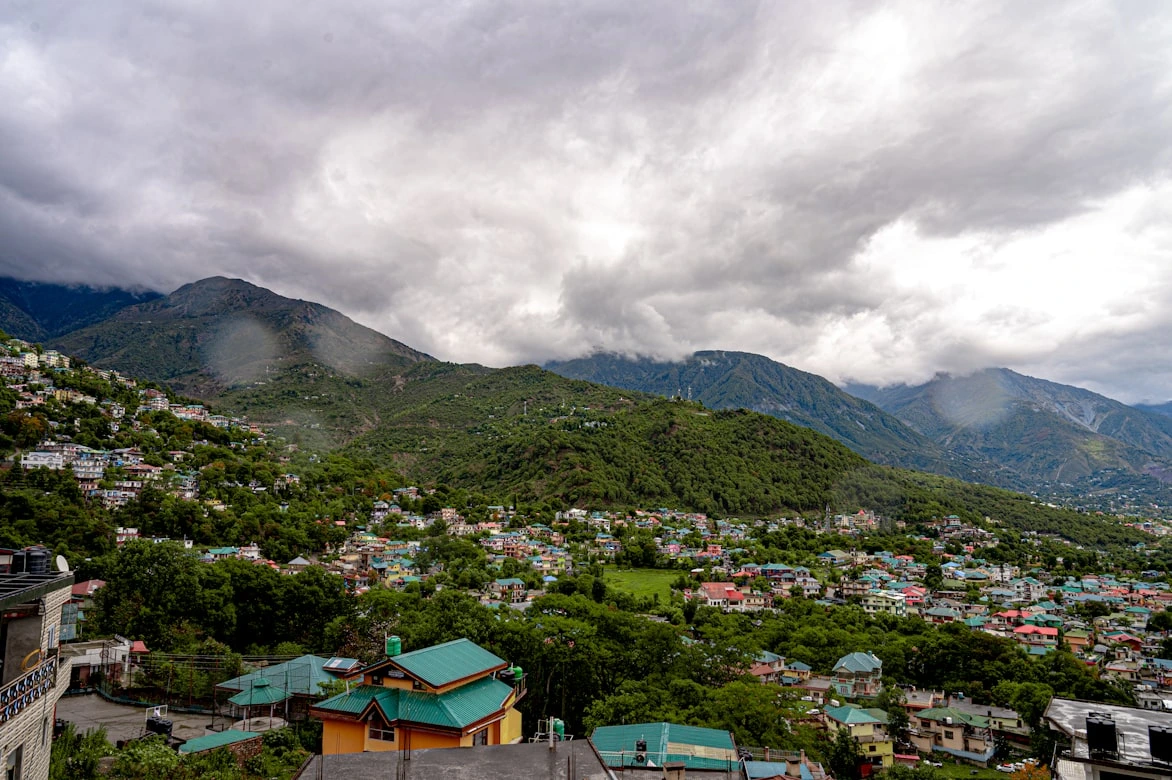
Replacing: Short Europe trips, Thailand multi-stop packages
Why it works: Himachal Pradesh handles multi-generation groups better than any other Indian hill state because the range of activity and pace within a single circuit is wide. Dharamsala (McLeod Ganj) is a Tibetan refugee settlement with the Dalai Lama's residence, working monasteries, and a café culture built over 60 years. Kasol in the Parvati Valley is a backpacker base near the Kheerganga hot spring trek (12 km, 2 days). Manali at 2,050 m has Rohtang Pass day trips, Solang Valley adventure sports, and the Kullu Valley apple orchards.
Unique thing unavailable internationally: McLeod Ganj's functioning Tibetan government-in-exile institutions — the Tibet Museum, the Library of Tibetan Works and Archives, and Namgyal Monastery — all within walking distance and open to visitors.
Approximate budget (family of 4, 6 nights): Rs 35,000–65,000 including Volvo bus or flight to Bhuntar (Kullu airport). s Best time in 2026: May–June and September–October. Manali–Rohtang opens mid-May.
12. Goa
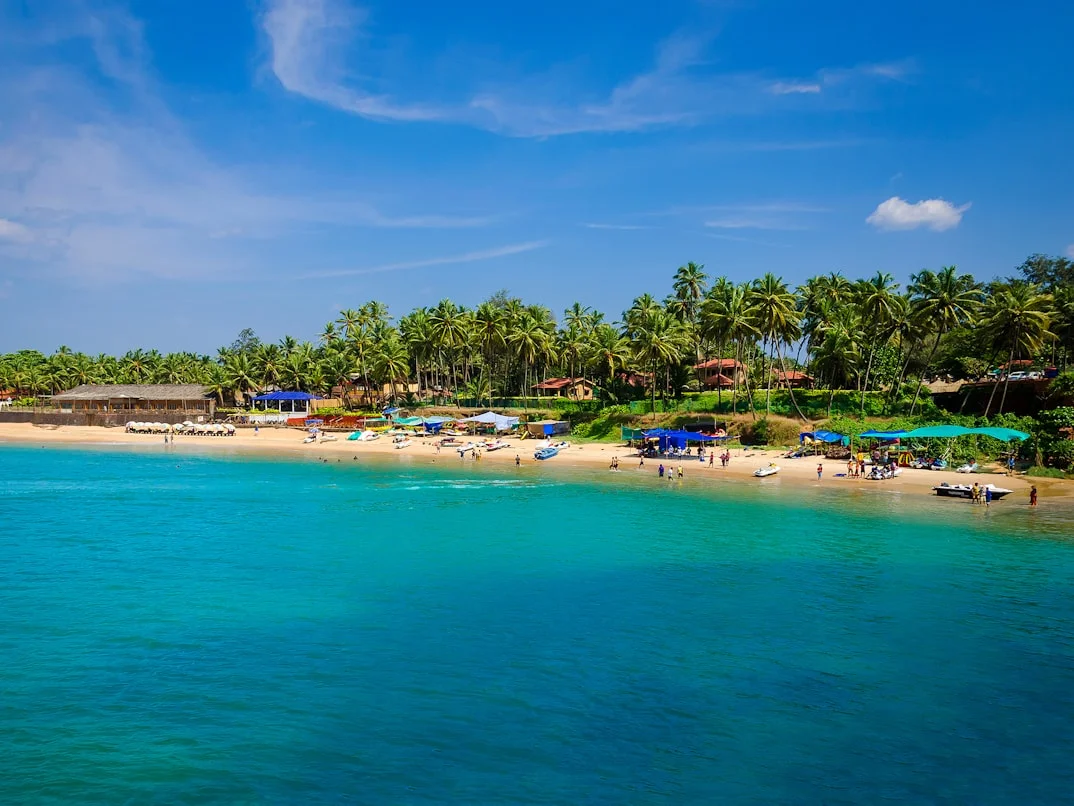
Replacing: Short Malaysia or Thailand family packages
Why it works: Goa's infrastructure for mixed-age family groups is the most developed of any Indian beach destination. Reliable flights from every major Indian city (2–3 hours from Delhi, 1 hour from Mumbai), a beach-to-heritage ratio that keeps different age groups occupied (Basilica of Bom Jesus, Dudhsagar Falls, Anjuna Flea Market, water sports at Calangute), and accommodation from Rs 800 dormitories to Rs 15,000 beach resorts make it the lowest-planning-friction beach option in India.
Unique thing unavailable internationally: The combination of 450 years of Portuguese colonial architecture (Old Goa's churches, Fontainhas Latin Quarter in Panaji) with active Hindu temples and Muslim mosques within 15 km of each other — a syncretism specific to Goa's history.
Approximate budget (family of 4, 4 nights): Rs 40,000–80,000 depending on accommodation tier and flight origin.
Best time in 2026: November to February. September–October for 30–40% lower prices.
How Much Are Indian Families Actually Saving?
| Trip Type | International Equivalent | Domestic Alternative | Estimated Saving |
|---|---|---|---|
| Beach holiday (family of 4) | Bali — Rs 1,20,000 | Andaman — Rs 45,000 | Rs 75,000 |
| Mountain trip (couple) | Switzerland — Rs 3,00,000 | Ladakh — Rs 35,000 | Rs 2,65,000 |
| Cultural circuit (family of 4) | Europe — Rs 4,00,000 | Rajasthan — Rs 60,000 | Rs 3,40,000 |
| Honeymoon (couple) | Maldives — Rs 1,50,000 | Lakshadweep — Rs 55,000 | Rs 95,000 |
| Adventure trip (couple) | Nepal + Thailand — Rs 80,000 | Spiti + Meghalaya — Rs 30,000 | Rs 50,000 |
These are not estimates designed to flatter domestic travel — they reflect the actual cost difference once flights, accommodation, food, visa fees, forex margins, and travel insurance are accounted for. The international figures assume economy class, mid-range hotels, and a standard family itinerary. The domestic figures assume the same.
Practical Tips for Booking in 2026
Book 6–8 weeks ahead for peak season. Demand at domestic destinations in 2026 is higher than any comparable year since 2019. Andaman ferry tickets to Havelock, Lakshadweep SPORTS packages, and Spiti Valley guesthouses in June–July are filling faster than previous years. Last-minute availability exists but at significantly higher prices.
Monsoon destinations book now, not in June. Meghalaya, Kerala backwaters, and Coorg are at their best from June through September — the season many travelers think of as "off-season." Demand for these destinations during the monsoon has grown substantially. Houseboat availability on Alleppey for July and August is already tightening as of early 2026.
Hill station accommodation is compressing earlier. Manali, Dharamsala, and Mussoorie — which typically saw booking pressure from April–May — are seeing inquiries from January and February 2026. This is a direct function of the international travel shift. The premium hotels in Manali for June are already seeing limited availability.
Domestic flight prices remain competitive — but book early for summer. IndiGo and Air India have increased capacity on metro-to-leisure routes (Delhi–Leh, Mumbai–Port Blair, Bangalore–Guwahati) in response to demand signals. Current prices for May–June flights on these routes are reasonable if booked now. Prices from March onwards will rise as summer travel season solidifies.
Frequently Asked Questions
Is domestic travel in India cheaper than international travel in 2026?
For Indian families, domestic travel is significantly cheaper across every trip category in 2026. A family of four spending 5 nights in the Andamans — including return flights from Chennai, accommodation, inter-island ferries, and food — spends approximately Rs 80,000–1,30,000. The equivalent Bali trip for the same family, accounting for flights, accommodation, activities, forex costs, visa fees, and travel insurance, runs Rs 1,50,000–2,20,000 minimum. The gap is wider in 2026 than it was in 2023 or 2024 due to the combination of international airspace disruptions, rupee depreciation, and increased domestic capacity.
Which Indian destination is closest to a Maldives experience?
Lakshadweep is the closest domestic equivalent to the Maldives — coral atolls, lagoon water in the same turquoise register, and snorkeling quality that compares directly. The practical differences are that Lakshadweep has far fewer resorts (limiting accommodation options and choice), is regulated more strictly in terms of alcohol availability on some islands, and requires SPORTS package booking through the Lakshadweep administration for most islands. Andaman's Havelock Island is the second-closest option — better infrastructure and easier booking, with water quality that is excellent but not quite the atoll character of Lakshadweep.
Which Indian hill station is best for families in summer 2026?
For families traveling in May–June 2026, Manali (Himachal Pradesh) offers the most complete combination of activities for different age groups — Rohtang Pass snow day trips, Solang Valley adventure sports, Kullu river rafting, and Naggar Castle for cultural interest. Mussoorie (Uttarakhand) is closer to Delhi at 290 km and more accessible but more crowded during peak summer. Coorg is the best option for families flying into Bangalore — 260 km, plantation stays, and Dubare Elephant Camp. For families who want a cooler escape with less crowd pressure, Munsiyari in Uttarakhand's Kumaon region or Tirthan Valley in Himachal are quieter alternatives that are seeing increased interest in 2026.
Is Andaman better than Bali for Indian travelers?
For the specific concerns of 2026 — flight uncertainty, currency costs, visa requirements — Andaman is objectively more practical than Bali for Indian travelers. Beyond logistics, the comparison on experience depends on what you are looking for. Bali has a more developed nightlife, international dining, and cultural performance infrastructure (Kecak dance, temple festivals) that the Andamans do not offer. The Andamans have superior beach and marine quality in a less commercially developed setting, plus the Cellular Jail's historical significance. For families and couples prioritizing marine quality and ease of travel, Andaman is the better choice in 2026. For travelers prioritizing international atmosphere and nightlife, Bali remains a different product — the issue in 2026 is the 35–50% higher cost of getting there.
What is the best domestic holiday destination for couples in India in 2026?
The honest answer depends on what the couple wants. For beach and marine quality: Lakshadweep if you can secure a package, Andaman's Havelock Island if you cannot. For mountain and landscape: Munsiyari or Chopta in Uttarakhand for something quiet and genuinely Himalayan; Spiti for drama and remoteness. For a romantic urban setting: Pondicherry, which delivers a European-feeling café culture, colonial architecture, and beach proximity within one small city. For a short weekend trip from a metro: Coorg from Bangalore, Lonavala from Mumbai or Pune, or Rishikesh from Delhi — all manageable in 2–3 days without the logistical overhead of a longer trip.
Planning One of These Trips?
BestNear has complete destination guides for many of the places covered in this blog — with honest assessments, real budget breakdowns, day-by-day itineraries, and safety information:
- Andaman & Nicobar 3-Day Itinerary, Package & Travel Guide
- Best Hill Stations in Uttarakhand (2026 Guide)
- Best Time to Visit Kedarnath (Month-by-Month Guide)
- Lonavala Travel Guide 2026
- Goa 3-Day Trip Plan with Budget
- Best Beaches in India (2026 Guide)
- Top 10 Hidden Beaches in India
- Dhuandhar Falls Bhedaghat Trip Guide 2026